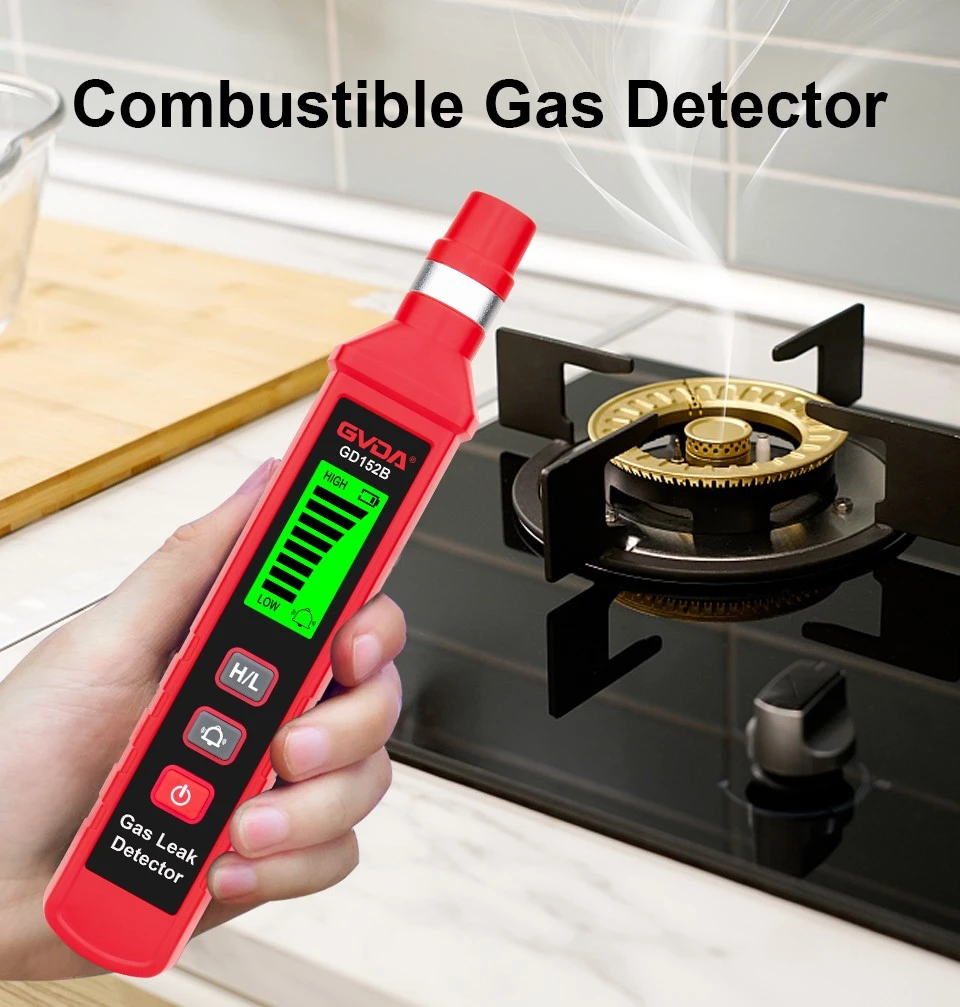
Key Considerations for Buying Gas Detectors
① Confirm the types of gases to be detected and the corresponding measuring ranges. Different sensors target combustible gases, toxic gases, VOCs or oxygen respectively, and the measuring range shall match on-site working conditions. ② Define the application scenarios. Choose fixed detectors for long-term online monitoring, portable ones for spot inspection, and pump-
sampling models for confined space entry.
③ Select appropriate sensor types, including catalytic combustion, electrochemical, PID and infrared sensors, as each type applies to specific gas detection. ④ Evaluate working environment conditions such as temperature, humidity, dust, corrosive gases and electromagnetic interference to determine the required protection class and housing material.
⑤ Check core performance parameters: T90 response time, measurement accuracy, zero drift, repeatability and alarm thresholds to ensure compliance with national standards.
⑥ Confirm power supply mode and battery life. Verify power supply solutions for fixed units and battery endurance as well as charging modes for portable devices.
⑦ Calculate long-term maintenance costs, including sensor service life, calibration accessories and after-sales calibration services.
⑧ Verify compliance certificates such as explosion-proof approval and metrological certification to meet local regulatory requirements.