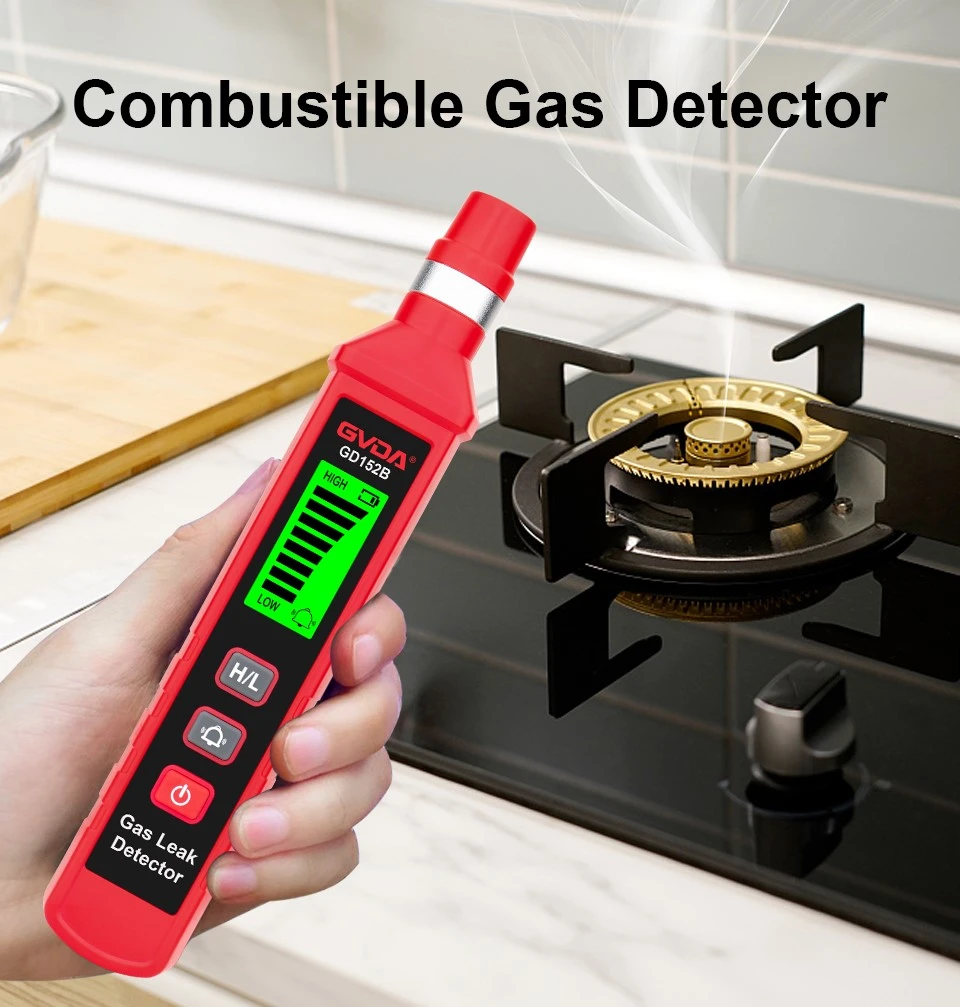
Key Points to Note When Using Gas Detection Instruments
Toxic and harmful gas detection instruments, like other analytical detection instruments, are measured using a relative comparison method: first, the instrument is calibrated with a zero gas and a standard concentration gas to obtain a standard curve, which is stored in the instrument. During the measurement, the instrument compares the electrical signal generated by the concentration of the gas to be measured with the electrical signal of the standard concentration to calculate the accurate gas concentration value. Therefore, zeroing the instrument at any time and regularly calibrating the instrument are essential tasks to ensure accurate measurement. It should be noted that many gas detectors currently have replaceable detection sensors, but this does not mean that a detector can be equipped with different detector probes at any time. Whenever replacing the probe, in addition to requiring a certain sensor activation time, the instrument must also be recalibrated. In addition, it is recommended to perform response testing on the standard gas used in various instruments before use to ensure that the instruments truly provide protection. Humidity sensor probe, stainless steel electric heating tube PT100 sensor, cast aluminum heater, heating coil fluid solenoid valve
Generally speaking, each sensor corresponds to a specific gas being detected, but no gas detector can be highly effective. Therefore, when choosing a gas sensor, it is important to understand as much as possible the detection interference of other gases on the sensor to ensure accurate detection of specific gases.
Pay attention to the lifespan of various sensors:
All types of gas sensors have a certain service life, that is, lifespan. Generally speaking, in portable instruments, LEL sensors have a longer lifespan and can be used for about three years; The lifespan of the photoionization detector is four years or longer; The lifespan of electrochemical specific gas sensors is relatively short, usually between one to two years; The lifespan of oxygen sensors is short, about one year. The lifespan of electrochemical sensors depends on the drying of the electrolyte, so if they are not used for a long time, sealing them in a lower temperature environment can extend their service life to a certain extent. Fixed instruments have a relatively large volume and longer sensor lifespan. Therefore, sensors should be tested at all times and used within their effective period as much as possible. Once they fail, they should be replaced in a timely manner.