Methods for Measuring Circuit Faults with a Voltage Tester and a Multimeter
1. Use a voltage tester to measure whether the voltages of the phase wire and the neutral wire in the circuit are normal. It is normal if the neon tube of the voltage tester lights up when testing the phase wire and does not light up when testing the neutral wire. This indicates that the fault lies in the indoor circuit and some electrical equipment. Check each item separately, including sockets, light bulbs, refrigerators, air conditioners, water heaters, etc., to see if they are working properly.
2. If the voltage tester lights up when testing both the phase wire and the neutral wire, it means the fault is in the neutral wire of the circuit. You should look for the open - circuit point of the neutral wire, and check if the neutral wire joints are in poor contact and determine the exact location of the open - circuit point.
3. If the voltage tester does not light up when testing both the phase wire and the neutral wire, it means the fault is in the phase wire of the circuit. You should search for the open - circuit point of the phase wire and check for poor contact at the joints.
4. If the fuse blows when the switch is in the closed position, it indicates a short - circuit between the phase wire and the neutral wire. You should find the short - circuit point and the damaged electrical appliances.
5. If the neon tube of the voltage tester is dimmer than normal when testing the phase wire while the neutral wire is normal, it means the fault is in the phase wire. Possible causes include reduced insulation of the wire, damage to the wire sheath causing leakage, which results in a voltage drop and prevents household appliances from operating normally.
6. If the voltage tester does not light up when testing both the phase wire and the neutral wire, first check if the switches, knife switches, and fuses in the circuit are normal and if they are in the on - position.
7. If it is an indoor concealed wiring and the wire is broken, and it is impossible to replace the wire or break the wall to check the wiring, you can connect an exposed wire at the nearest power point indoors to supply power to the circuit reversely from the socket. Then, check the fault situation to narrow down the fault scope.
8. It is strictly forbidden to use copper and aluminum wires together. Over time, the joints will oxidize, the wires may break, which endangers the personal safety of pedestrians.
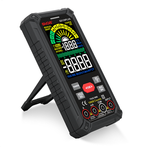
9. When the lighting switch or the residual current device cannot be switched on, first remove the load wire and test the switch or the residual current device without load. If they work normally, check the load. Use a multimeter to measure the resistance (it should not be zero under normal conditions) and the voltage (it should be 220V). Otherwise, there is a short - circuit in the load. You should replace or repair the load in time, and check the wires or lighting fixtures.