Notes on Use and Maintenance of Combustible Gas Detectors
Types of Combustible Gas Detectors
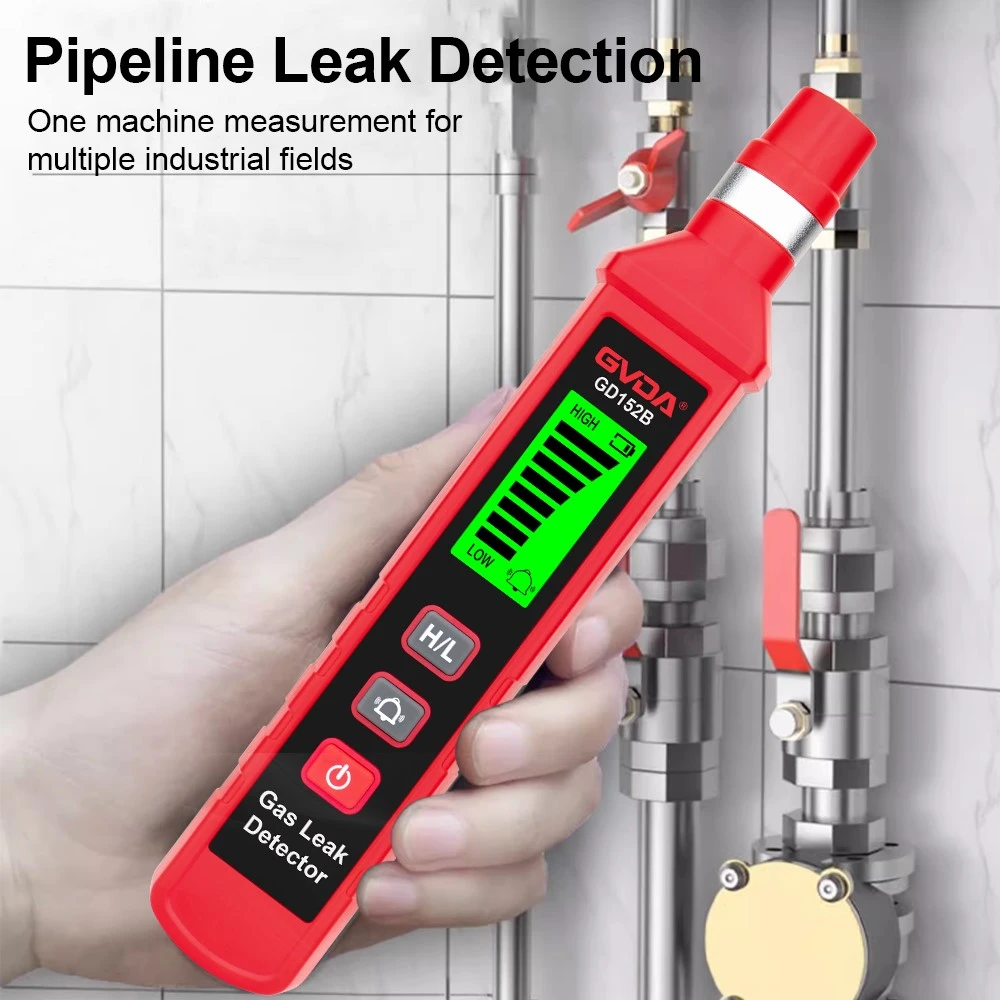
① Portable Combustible Gas Detector This type of combustible gas detector generally adopts the natural diffusion method to detect gas concentration. Its built-in catalytic combustion sensor delivers high sensitivity. In addition, cost-effective detectors apply embedded microcontroller technology, featuring simple operation and complete functions, which greatly improves the efficiency and accuracy of gas detection work.
② Pump-suction Combustible Gas Detector This combustible gas detection alarm device is equipped with a built-in suction pump, which can rapidly measure the concentration of combustible gases in the working environment. It not only uses catalytic combustion sensors, but also is fitted with a large clear LCD screen and audible-visual alarm indicators. This ensures technicians can complete gas detection even in harsh working conditions and guarantee personal safety.
Precautions for Combustible Gas Detectors
① Wire the device when the power is cut off, and switch on the power only after confirming correct wiring. Debug the probe via remote control only when no combustible gas leakage exists on site.
② Install the detector within a 1-meter radius around valves, pipe joints, gas outlets or other potential leakage points. Mount it as close as possible without interfering with the operation of other equipment.
③ For large-area monitoring, arrange one probe per 20 to 50 square meters to achieve effective safety supervision.
④ Installation height requirement: For gases lighter than air such as hydrogen, natural gas and town gas, install the detector about 1 meter below the ceiling. For gases heavier than air like liquefied petroleum gas, mount it 1.5 to 2 meters above the ground.
⑤ Available installation methods include ceiling suspension, wall mounting and pipeline connection. Ensure firm and stable fixation. An infrared remote controller is supplied for convenient commissioning.
⑥ All on-site wiring shall be routed through conduits that meet fire protection standards. Conduits must be connected tightly to the probe for fire compliance.
⑦ Fix the sensor with the sensing head pointing downward during installation. ⑧ Use shielded cables for wiring with a conductor cross-section larger than 1 mm². The shielding layer must be reliably grounded during wiring.
Maintenance of Combustible Gas Detectors
① Check the gas flow rate, which is normally set at 30 L/h. Excessively high or low flow will seriously affect the test results of the analyzer.
② Replace filter paper: shut down the suction pump and drain water from the filter canister.
③ Inspect the gas circuit for air leakage. Check the diaphragm of the suction pump, sealing ring of the sampling probe, four-way valve and condenser for damage.
④ Clean the sampling probe and unclog the sampling pipeline.
⑤ Verify the normal operation of the condenser, which should be set to around 3°C.
⑥ Check the measurement chamber for dirt and clean it promptly if contaminated.