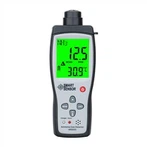
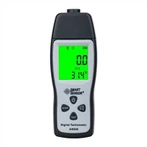
Precautions for using carbon monoxide gas detector
Carbon monoxide detector is a detection instrument used for quickly detecting the concentration of carbon monoxide in the environment. It is very convenient and fast to use. As carbon monoxide is a colorless and odorless toxic gas, we need to pay attention to various safety precautions when using a carbon monoxide detector for detection. At the same time, we should also pay attention to relevant situations when using a carbon monoxide detector. Below, we will introduce the precautions for using a carbon monoxide gas detector.
When using a carbon monoxide gas detector, the following aspects should be noted:
1. When using a carbon monoxide gas detector, attention should be paid to staying away from places with a lot of oil fume dust, as the oil fume dust in the environment can affect the accuracy of carbon monoxide detection. Some carbon monoxide detectors are equipped with various dust-proof and waterproof filter membranes, but we should still try to avoid such environments when using them.
2. A humid environment is also a part of the impact on carbon monoxide detectors, affecting their sensitivity and even causing instrument detection failure. Therefore, it is necessary to regularly check for water droplets inside the detector and promptly dry it. At the same time, a humid environment can also have a certain impact on the service life of the instrument.
3. The instrument needs to be cleaned regularly because when the carbon monoxide gas detector is used for a long time, a large amount of dust will accumulate on its surface, and there will also be some impurities on the channel in the near future, which will seriously affect the detection sensitivity of the carbon monoxide sensor. Therefore, regular dust removal is necessary to maintain the cleanliness of the instrument.
4. When entering a carbon monoxide environment, operators should regularly check whether the carbon monoxide gas detector is in normal working condition to avoid the occurrence of alarm failure. Therefore, before use, carbon monoxide should be detected to check whether the sensor can work and whether the instrument alarm can sound normally. Nowadays, many gas detectors have a self checking function when turned on, which is also very convenient to use, such as the BWSOLO gas detector.
5. When cleaning the carbon monoxide gas detector, avoid using cleaning agents or solvents to wipe the instrument, which can damage the internal components of the detector, cause certain chemical reactions in the sensor material, damage the instrument components, and cause certain damage to the gas sensor.
6. Regularly calibrate the gas detector. Generally, after using the carbon monoxide detector for a certain period of time, in order to ensure the accuracy of the detection results, we need to calibrate the gas detector, usually every six months or a year.
When using carbon monoxide gas detectors in various industries, we usually need to set two alarm values, one is the first level alarm and the other is the second level alarm. Generally, the first level alarm value is set to 30-50ppm and the second level alarm value is set to 150-300ppm. Moreover, carbon monoxide gas detectors can be divided into household carbon monoxide detectors and industrial carbon monoxide detectors. We can choose suitable detection equipment according to our detection needs for detection.