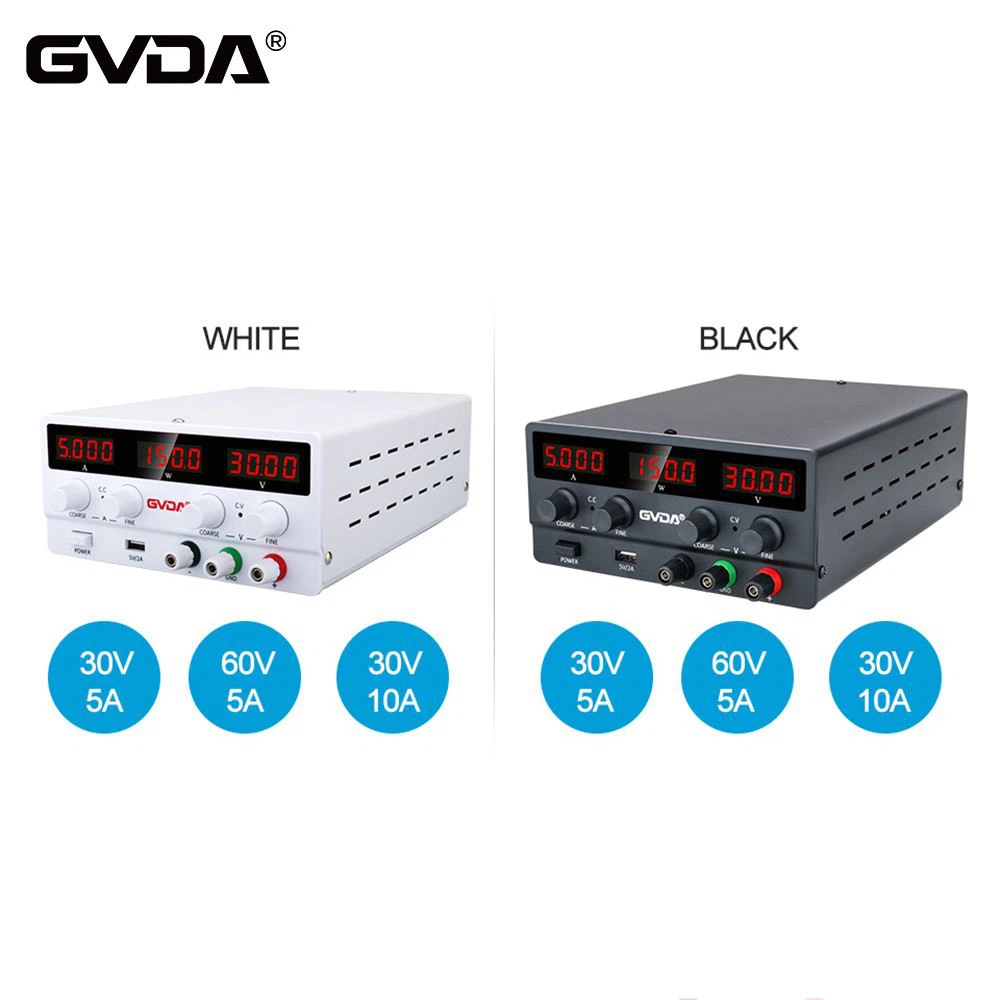
In the case of phase-to-phase short-circuit fault or abnormal load increase and insulation level drop in the high-power DC regulated power supply grid, the current will suddenly increase and the voltage will drop suddenly. Overcurrent protection is based on the requirements of line selectivity. action current. When the fault current in the line reaches the action value of the current relay, the action of the current relay selectively cuts off the fault line according to the selective requirements of the protection device, and starts the time relay through its contacts. After a predetermined delay, the time relay touches When the point is closed, the circuit breaker trip coil is connected, the circuit breaker is tripped, the faulty line is cut off, and the signal relay is activated at the same time, the signal board is dropped, and the light or sound signal is turned on.
When there are unexpected situations such as load short circuit, overload or control circuit failure, the current flowing through the switching transistor in the voltage stabilizer will be too large, which will increase the power consumption of the tube and cause heat. If there is no overcurrent protection device, the high-power switching transistor may be damaged. Therefore, overcurrent protection is commonly used in switching regulators. The most economical and easy way is to use a fuse. Due to the small heat capacity of the transistor, ordinary fuses generally cannot play a protective role, and fast-blow fuses are commonly used. This method has the advantage of easy protection. However, the specification of the fuse needs to be selected according to the requirements of the safe working area of the specific switch transistor. The disadvantage of this overcurrent protection measure is the inconvenience of frequent fuse replacement.
Current limiting protection and current cut-off protection commonly used in linear regulators can be applied in switching regulators. However, according to the characteristics of the switching regulator, the output of this protection circuit cannot directly control the switching transistor, but the output of the overcurrent protection must be converted into a pulse command to control the modulator to protect the switching transistor. In order to realize overcurrent protection, it is generally necessary to use a sampling resistor in series in the circuit, which will affect the efficiency of the power supply, so it is mostly used in low-power switching regulators. In the high-power switching regulated power supply, considering the power consumption, the access of the sampling resistor should be avoided as much as possible. Therefore, over-current protection is usually converted into over- and under-voltage protection.