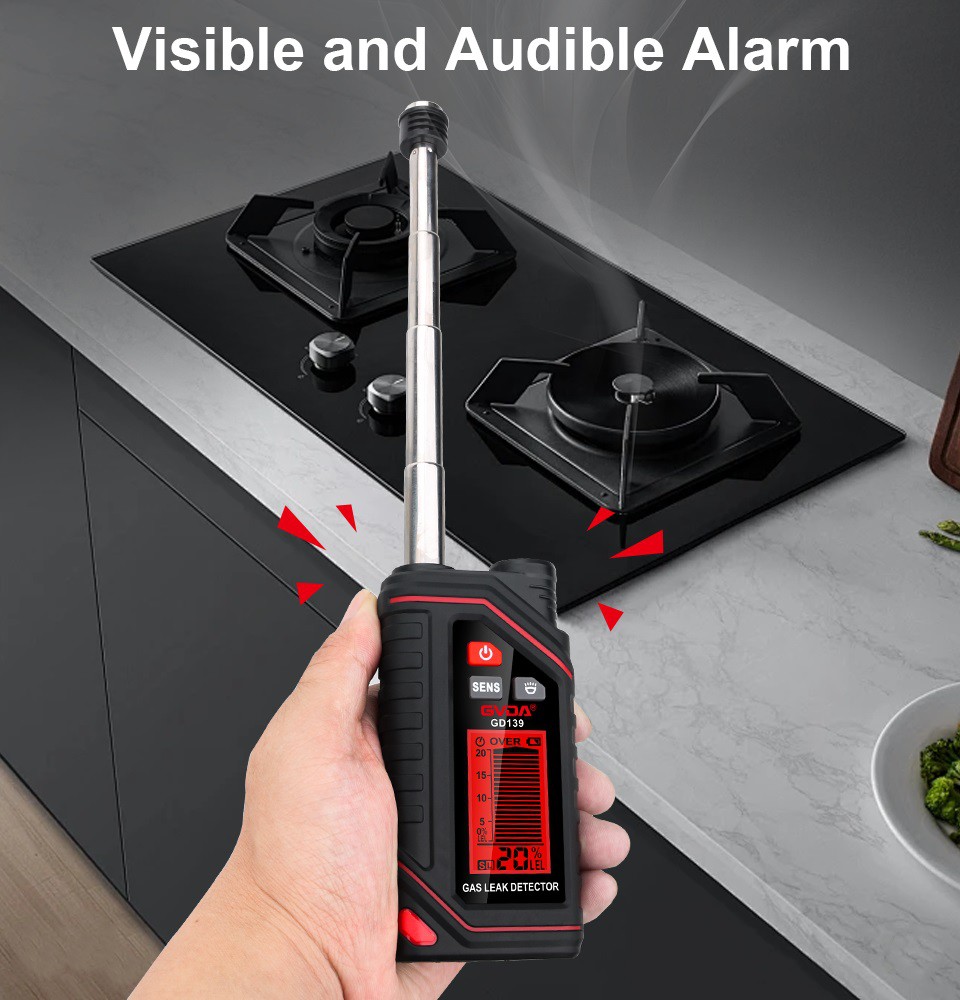
Problems in the operation of combustible gas detectors
1. Wrong understanding of detector alarms
Many people believe that if there is an oil or gas leak near the detector, the controller should issue an alarm signal. Without an alarm, the detector may malfunction, but this understanding is incorrect. The detection object of the detector is combustible gases in the air, with a monitoring range of 0-100%. However, the controller only sends an alarm signal when the concentration of combustible gases reaches the set value, not when there is oil or gas.
2. The damage to the explosion-proof facilities of the combustible gas detector itself has not received sufficient attention.
During use, there are often incidents of damage to explosion-proof seals, loosening, and rupture of explosion-proof pipes that go unnoticed.
As is well known, the installation location of the detector belongs to flammable and explosive places, especially when the detector comes into direct contact with the combustible gas on site. If the explosion-proof facilities are damaged and not repaired or updated in a timely manner, oil and gas leakage may directly cause a fire, which not only fails to prevent disasters, but also becomes a source of fire.
3. The detector has no waterproof cover or the waterproof cover is damaged
During use, sometimes the waterproof cover is randomly removed or damaged and not replaced in a timely manner.
4. Compliance with effective scope
According to the effective detection distance of the detector, it should not exceed 7.5m indoors and 15m outdoors. In many hazardous device areas, there is more than one detector, and each detector has its own monitoring area and detection range. And each detector has a corresponding alarm facility on the controller, in order to accurately and timely determine the location of the release source.
5. Randomly change the position of the detector
During the process of modifying the production equipment, arbitrarily changing the position of the detector may result in a decrease in detector sensitivity or the occurrence of detection blind spots within the device. In the process of renovation and expansion, without considering the role and detection range of the detector, changing the detection position arbitrarily will inevitably result in duplicate detection positions or areas that cannot be detected. Moreover, during the disassembly process, the sensitivity of the detector may decrease due to vibration and other reasons.
6. Improper testing method
When testing the reliability of combustible gas detectors, direct contact between the liquefied gas from the fire machine and the sensor can result in damage to the gas sensor, reduced sensitivity or failure of the detector.