Quick Detection of Electrical Equipment Leakage with a Multimeter
As we all know, leakage faults may occur on electrical equipment at any time. How can leakage be detected promptly? Several simple methods are introduced below for your reference.
First, measure leakage voltage with a multimeter. Set the multimeter selector switch to the AC voltage range, generally the 250 V AC gear. Insert the black test lead into the soil near the equipment under test, and connect the red test lead to the metal enclosure of the equipment. Observe the multimeter reading. If there is no deflection, shift to lower ranges one by one until a stable reading is obtained; this value is the leakage voltage of the equipment. If no reading appears even on the lowest range, the equipment has no leakage.
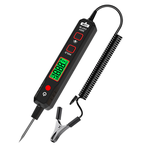
Second, check for leakage with a voltage tester. Hold the tester and touch its probe directly to the metal housing of the electrical equipment. If the neon lamp inside the tester lights up, the equipment suffers leakage with relatively high leakage voltage. However, an unlit neon lamp does not guarantee zero leakage. It may be caused by low leakage voltage that fails to activate the neon lamp, or there may indeed be no leakage.
Third, if neither a multimeter nor a voltage tester is available, lightly touch the metal enclosure of the powered equipment with the back of your hand. A tingling or electric shock sensation indicates the presence of leakage voltage. Any sensation of electric shock requires high caution, as it means the leakage voltage is relatively high. Shut down the equipment to investigate the cause and eliminate the fault before reuse. Otherwise, electric shock accidents may happen.