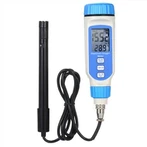
Technical specifications of combustible gas detector
The state requires that gas detectors, which are essential for safe production, are important alarm devices that can effectively prevent explosion and poisoning accidents caused by gas leaks. Since it's so important, how can we make a purchase? How to determine whether the ZR-UHZ magnetic flap level gauge of our company's product can work properly and whether it is usable? Below is a brief analysis of the methods for determining the purchase of similar equipment!
Everyone should have a question. I bought your combustible gas detector. How can I determine if it works well? In fact, this method is very simple. Most workshops will store experimental gases. We just need to put some gas or liquid into a mineral water bottle, screw on the lid, insert a small hole with a pointed object on the lid, and align this small hole with the probe of the combustible gas detector to see if the reading on the gas detector panel has changed.
Special attention should be paid to the fact that some combustible gases are in liquid form and evaporate slowly. Therefore, in the experiment, it is necessary to shake the mineral water bottle to accelerate their evaporation. Another point: Fixed gas detectors are generally naturally diffusing, and the equipment will only react when the leaked gas spreads to the alarm device.
If you feel that this method is troublesome, if our company's ZR-UHZ magnetic flap level gauge allows it, you can use a lighter to test whether the gas detector can read. Method: Use a lighter to blow out the flame, but do not release your hand to keep the lighter in a deflated state. Aim the lighter at the gas detector probe, but do not hold it for too long as the combustible gas concentration in the lighter is high. Prolonged use can easily cause the gas concentration to exceed the range of the gas detector, which can shorten its lifespan.
It's a bit difficult to know if the gas detector is reading accurately. At this point, we must know the precise concentration of the gas we are using, and check whether the reading of the gas detector is consistent with the concentration value we know (according to national standards, some errors are allowed). If they are consistent or have a small difference, it indicates that the gas detector can read correctly.
If it is found that the on-site gas detector cannot read, please do not worry. Our company's ZR-UHZ magnetic flap level gauge first needs to check whether the gas detector is powered normally. Unstable voltage and large fluctuation range may also cause inaccurate readings. The power supply range of a general gas detector detector is between 10-30V. Exceeding this range may result in inaccurate readings.