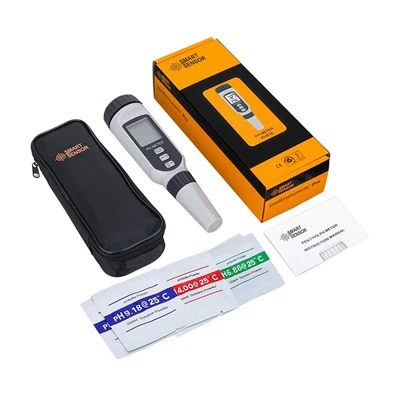
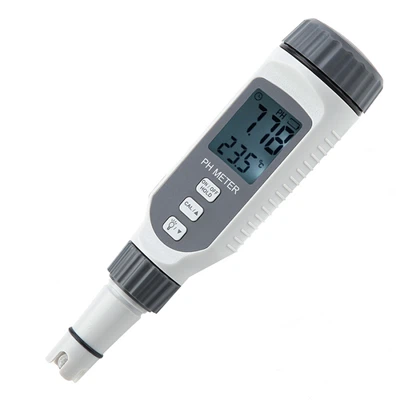
The distinction between a pH meter and an acidity meter
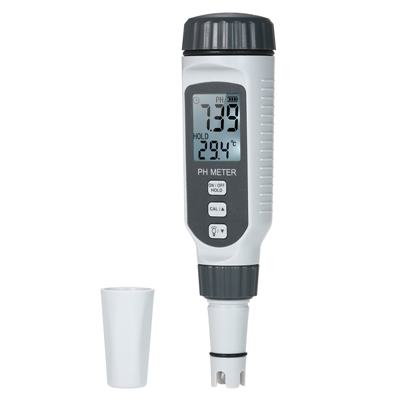
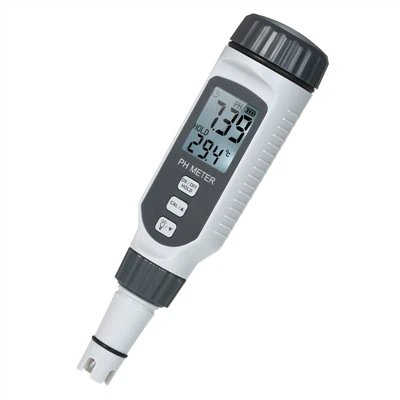
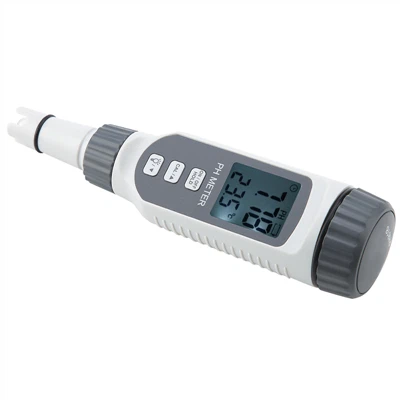
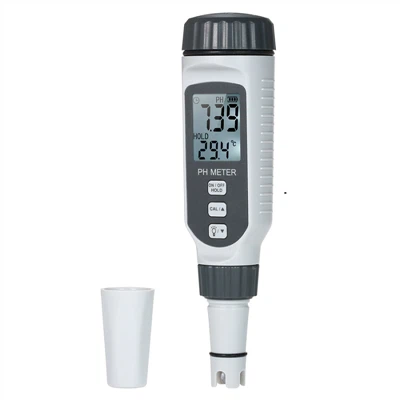
Electrode and electric meter make up the two components of an acidity meter, often known as a pH meter. It is a frequently employed piece of gear. Reference electrode, glass electrode, and ammeter make up its three components. widely employed in fields such as industry, agriculture, science, environmental protection, and others.
Acidity meters, often known as PH meters, are frequently used tools and equipment. It is primarily employed to accurately determine the pH level of the liquid medium. Using the related ion selective electrode, it may also gauge the MV value of the ion electrode potential. Several industries, including industry, agriculture, scientific research, environmental protection, and others, use pH meters from the BPH-200A series. The tool is also used as inspection gear in food and water manufacturing facilities undergoing QS and HACCP certification.
A pH meter is a device used to gauge a solution's pH. Precision potentiometers are used to make up the pH meter's body. When measuring, place the compound electrode into the solution to be tested. As a result of the solution's varying acidity (hydrogen ion concentration), different electromotive forces will be generated. These forces will then be amplified by a DC amplifier, and the reading indicator (voltmeter) will display the measured solution pH value. The pH range for the acidity meter is 0 to 14pH.