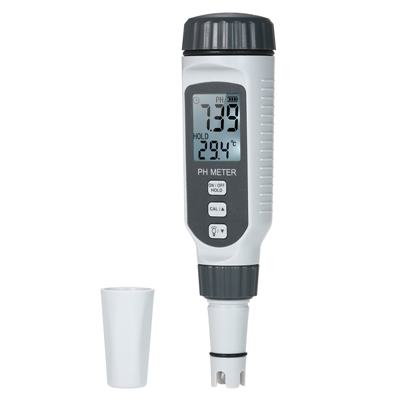
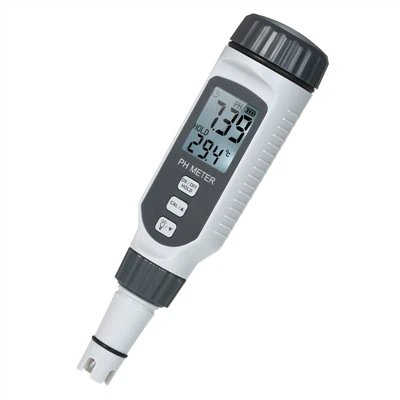
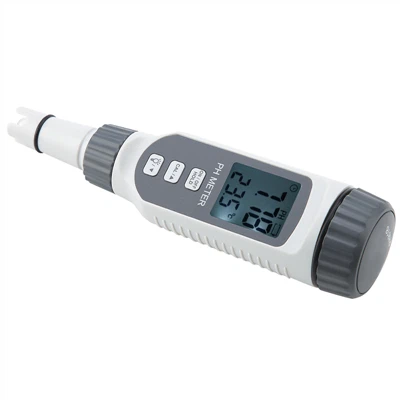
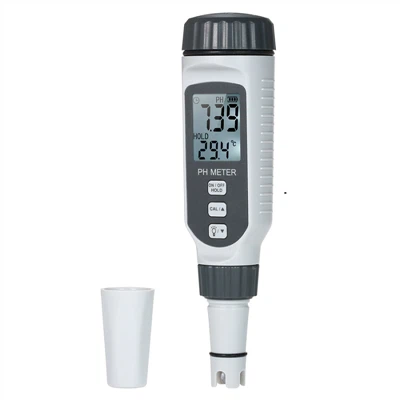
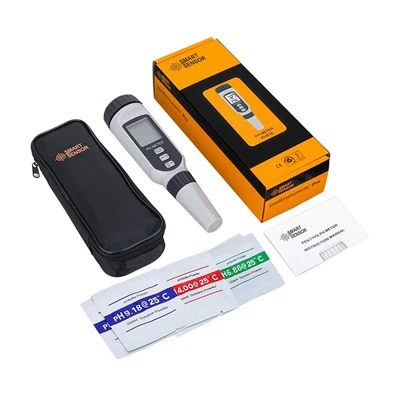
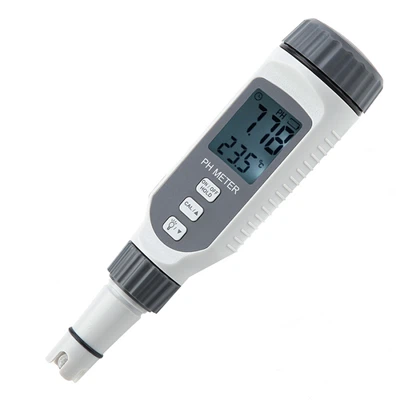
The main three parts of the structure of the pH meter (acidity meter)
The structure of pH meter (acidity meter) consists of three main parts. People in the industry know that pH meter is a commonly used instrument and equipment. With the rapid development of the economy, the scope of application and technology are constantly expanding and updating. PH meter, PH acidity meter products are used to precisely measure the pH value of liquid media, including industrial processing, measurement in the food industry, etc. The PH meter can also measure the MV value of the ion electrode potential with the corresponding ion selective electrode. Potential measurement with a pH meter is the most precise method for measuring pH, and it is widely used in industry, agriculture, scientific research, environmental protection and other fields. For users who use a pH meter for the first time, let’s take a look at the three main structures of a pH meter part.
A pH meter consists of three parts:
1. A reference electrode;
2. A glass electrode whose potential depends on the pH of the surrounding solution;
3. A galvanometer capable of measuring small potential differences in a circuit of great resistance.
The following are the main functions of each component:
1. The basic function of the reference electrode is to maintain a constant potential as a control for measuring various deviation potentials. The silver-silver oxide electrode is currently the most commonly used reference electrode in pH.
2. The function of the glass electrode is to establish a potential difference that responds to changes in the hydrogen ion activity of the solution being measured. Put the pH-sensitive electrode and the reference electrode in the same solution to form a primary battery, and the potential of the battery is the algebraic sum of the potential of the glass electrode and the reference electrode. E battery = E reference + E glass, if the temperature is constant, the potential of this battery changes with the pH of the solution to be tested, and it is difficult to measure the potential generated by the battery in the pH meter because its electromotive force is very small and the circuit The impedance is very large, 1-100MΩ; therefore, the signal must be amplified enough to drive a standard millivoltmeter or milliamperemeter.
3. The function of the ammeter is to amplify the potential of the primary battery several times. The amplified signal is displayed by the ammeter. The degree of deflection of the pointer of the ammeter indicates the strength of the signal it pushes. For the needs of use, the dial of the pH ammeter is engraved with The corresponding pH value; while the digital pH meter directly displays the pH value digitally.