The significance of gas detector calibration
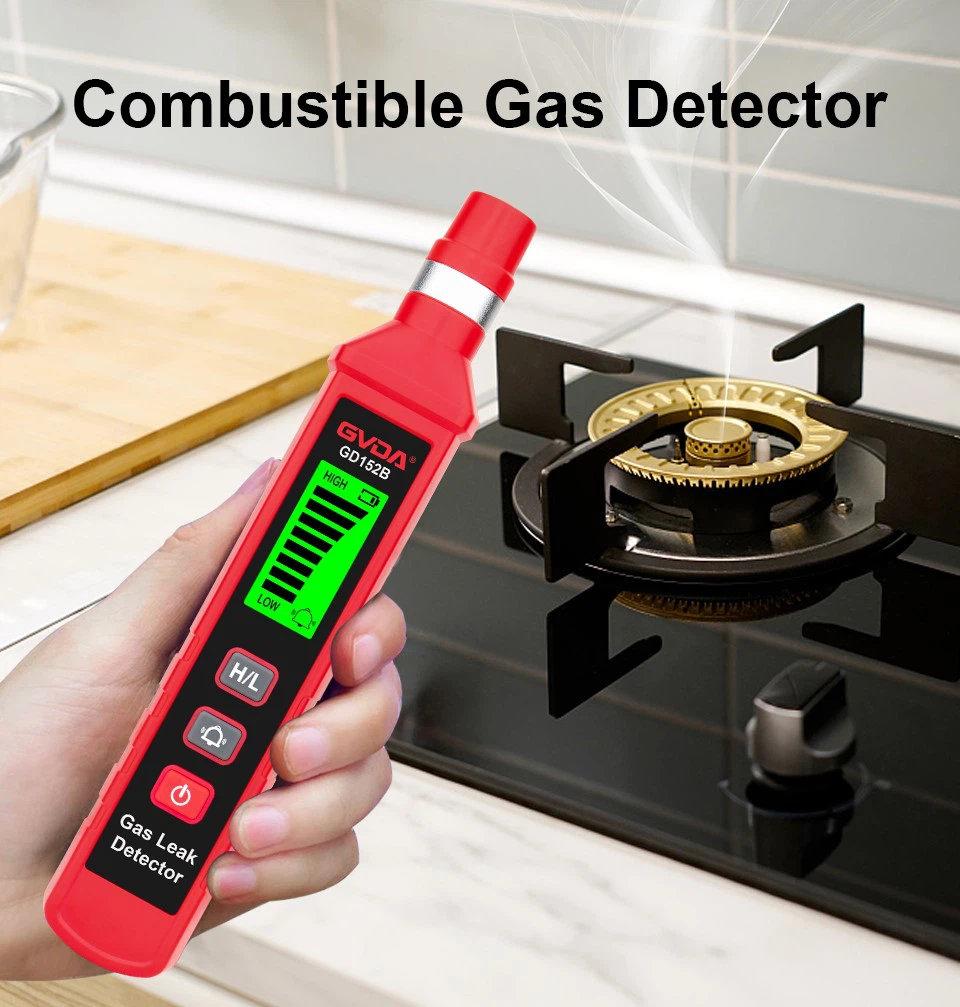
Gas detectors can detect gas leaks and alert people to take safety measures such as personnel evacuation, forced ventilation, and equipment shutdown by emitting sound, light, and other alarm signals. They are an indispensable instrument in industrial production and daily life.
However, gas detectors are not always able to accurately measure gas concentrations, just like how our watches need to be calibrated regularly with standard time. Gas detectors also need to be calibrated regularly to ensure the accuracy of detection, and the calibration process is called "calibration".
Why is calibration necessary
The accuracy of a combustible gas alarm is an important prerequisite for detecting and issuing an alarm, and its accuracy depends on the built-in combustible gas sensor. Whether it is an electrochemical sensor or a catalytic combustion sensor, it will be affected by certain substances in the environment during use, and gradually change or even become toxic and ineffective. Only through timely maintenance and calibration can the accuracy of the instrument's detection results be guaranteed. In practical use, many factors can affect the accuracy of the alarm, and regular calibration is to minimize the detection result error and achieve the highest accuracy.
How to calibrate
Based on the lower explosive limit of each detected gas, we need to calibrate it in a targeted manner.
For example, in the case of a hydrogen alarm, we first need to produce the standard gas of hydrogen, and then age the gas sensing element or application product under rated working conditions for a period of time (generally not less than 2 hours, preferably more than 24 hours) to ensure that the resistance value of the element is fully stable. Place the gas sensing element or application product of the detector into the test chamber, and inject the gas or liquid to be tested into the test chamber using a sampler (which can be a medical syringe) according to the volume requirements to form a calibration gas sample. Adjust the preset mechanisms of variable resistors and other circuits on the application product to trigger it exactly (such as an alarm). Exhaust the test gas from the test chamber using an exhaust fan and repeat 2-4 times to confirm that the application product has just triggered.