The soldering iron always fails to weld the wire joints
I am not a professional repairman myself. Sometimes when an electrical appliance at home breaks down, I want to fix it myself. However, when using an electric soldering iron to solder wire joints, I always can't get the solder on. The solder either sticks to the soldering iron or falls off, or it doesn't stick to the wire. Even after using solder paste, it still doesn't stick.
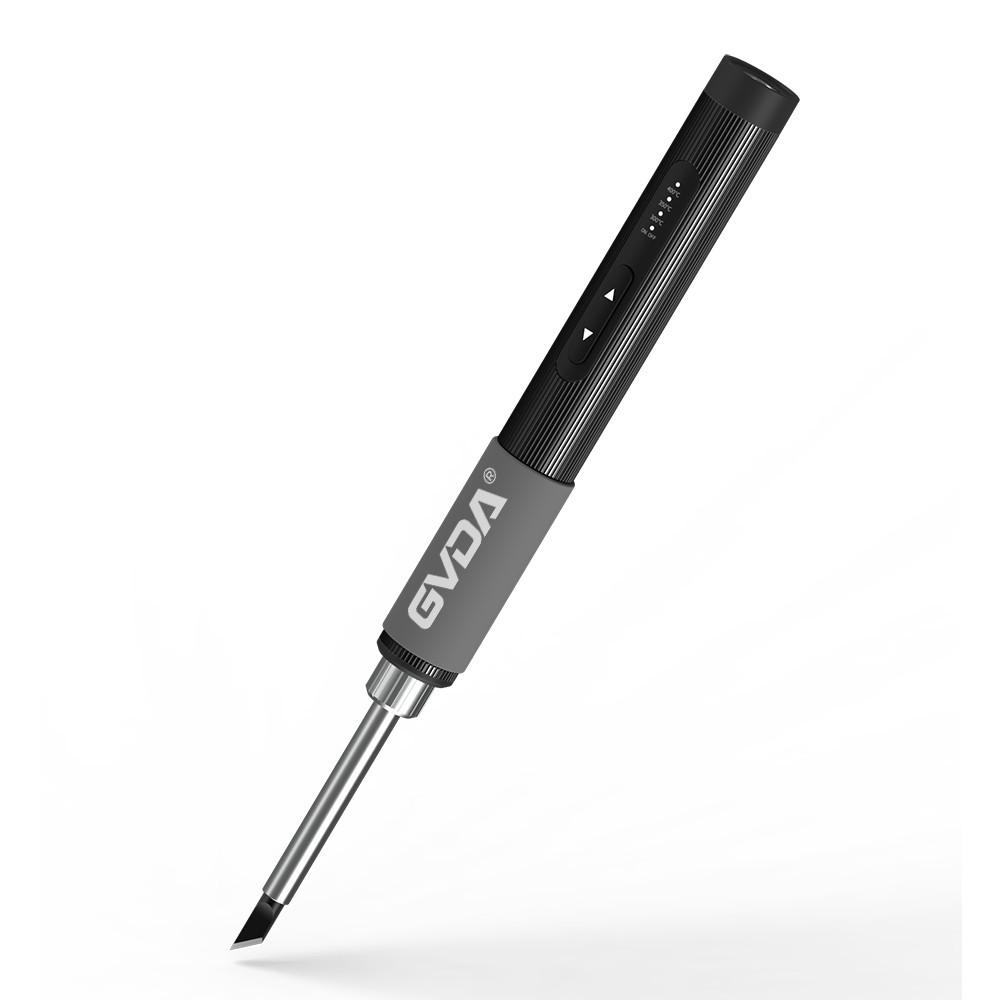
During the use of an electric soldering iron, there is often a phenomenon where it does not stick to the solder or even cannot melt the solder. At this time, the tip of the soldering iron you see must have turned black, indicating that the tip has oxidized, commonly known as "burned to death". In this situation, do not use a knife to scrape or file to avoid damaging the alloy layer at the tip of the soldering iron. It must be processed correctly before continuing to use. The following two solutions are effective.
One solution: wipe
Find a high-temperature resistant cleaning sponge that swells and becomes rough when exposed to water (such as those used for women's facial care or purchased from tool counters in electronic stores), soak it in water for a while, wait for it to instantly expand, pinch off some of the moisture, and then rub the heated soldering iron tip on it one by one. At the same time, use a solder wire containing rosin to rub the soldering iron tip, and repeat this process until the soldering iron tip is shiny and coated with tin.
Solution 2: Rubbing
Apply a little force and repeatedly rub the heated soldering iron tip against the block shaped solder formed by melting the solder wire. During this process, occasionally dissolve the soldering iron tip onto a rosin block that can aid in welding and cleaning, and coat it with rosin. Repeat this process multiple times, and the soldering iron tip will shine as bright as new, making it very useful.
After the above operations, if the problem is not solved, then you need to suspect the soldering iron tip and soldering wire. The former has a lot of counterfeit goods, while the latter contains very little tin and melts like tofu residue, with dark solder joints. Both are sold at a low price, passing off inferior goods as good.
1. The temperature of the soldering iron is between 320-420 degrees Celsius. Check if the soldering iron tip is oxidized. After turning off the power, use a knife or sandpaper to remove the oxide.
2. Why isn't the wire connector tinned? Under normal circumstances, if a household appliance breaks down and you use it for a long time, there may be current passing through the connector of the wire end and external dust entering during long-term use, causing the wire end to age, oxidize, and accumulate dust on it, so you weld it on.
3. Normal soldering requires a soldering iron temperature of around 380 degrees Celsius. It is not a problem to have a slightly higher temperature for the soldering wire tip. However, it is important to check if the soldering iron tip is oxidized. If all of the above issues have been resolved, it is important to note that your wire tip contains enameled wire. You need to use a small knife to scrape off the conductive insulation paint on the outer layer of the enameled wire, and then apply a little tin to the wire tip to ensure a secure soldering process.
4. When the soldering iron is not turned off, please apply a little tin to the tip of the soldering iron and do not remove it to prevent oxidation of the tip. This way, you will be at ease when using it next time. Finally, it should be emphasized that taking care of oneself is a good thing, but safety must be the top priority!