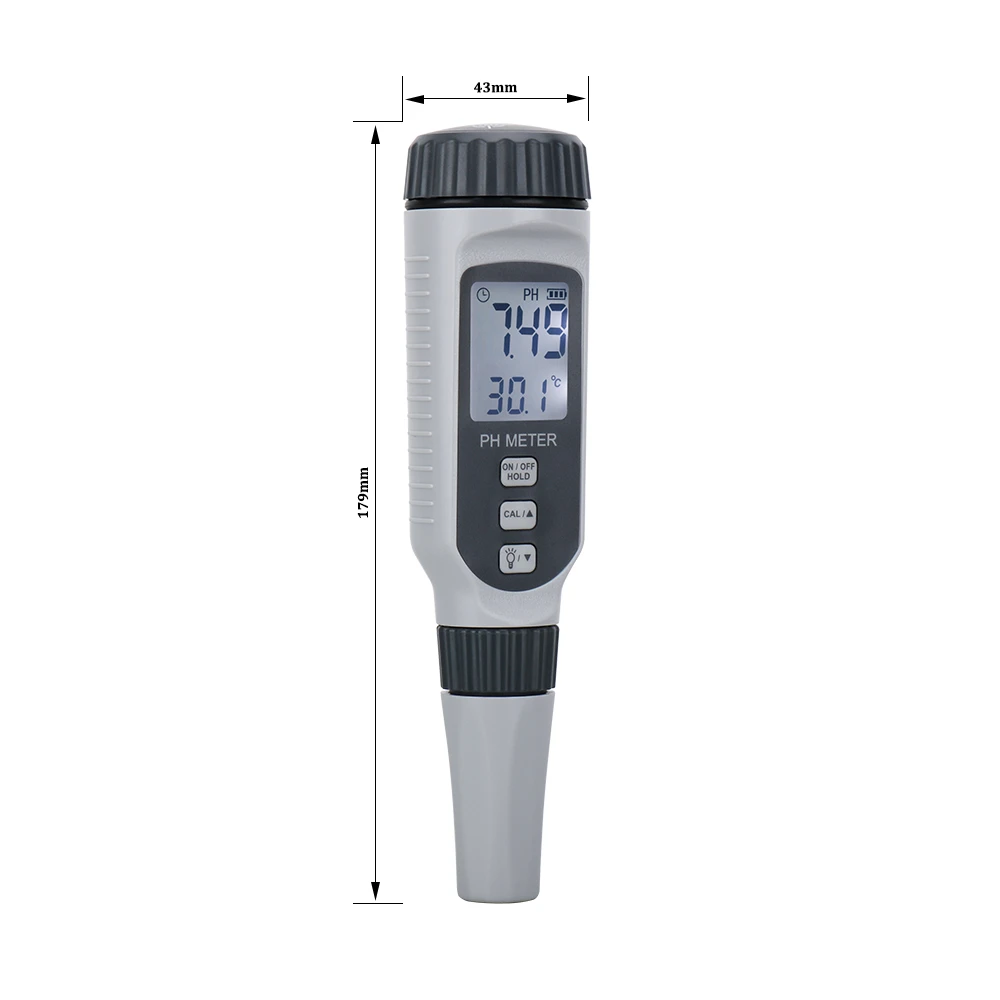
The two-point calibration method is adopted for pH meter calibration.
Although there are many types of pH meters, they all adopt the two-point calibration method. Two standard buffer solutions are selected: one is the pH 7 standard buffer solution, and the other is either pH 9 or pH 4 standard buffer solution. First, perform positioning calibration of the pH meter with the pH 7 standard buffer solution. Then select the second standard buffer solution according to the acidity or alkalinity of the test solution. If the test solution is acidic, use the pH 4 standard buffer solution; if the test solution is alkaline, use the pH 9 standard buffer solution.
For manually adjusted pH meters, repeat the operation between the two standard buffer solutions several times until the pH meter can accurately display the pH values of both standard buffer solutions without further adjustment of the zero and positioning (slope) knobs. The calibration process is then complete. After calibration, the zero and positioning knobs must not be moved during measurement.
For intelligent pH meters, repeated adjustment is unnecessary. The instrument internally stores pH values of several standard buffer solutions for selection, and it can automatically identify buffer solutions and complete calibration. Attention shall be paid to the selection of standard buffer solutions and the accuracy of their preparation. Intelligent pH meters of 0.01 grade generally store three to five types of standard buffer solutions.
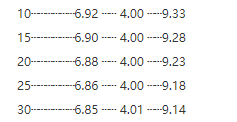
In addition, special attention shall be paid to the temperature of the test solution before calibration, so as to correctly select the standard buffer solution and adjust the temperature compensation knob on the pH meter panel to match the temperature of the test solution. The pH value of a standard buffer solution varies at different temperatures, as shown in Table 2.