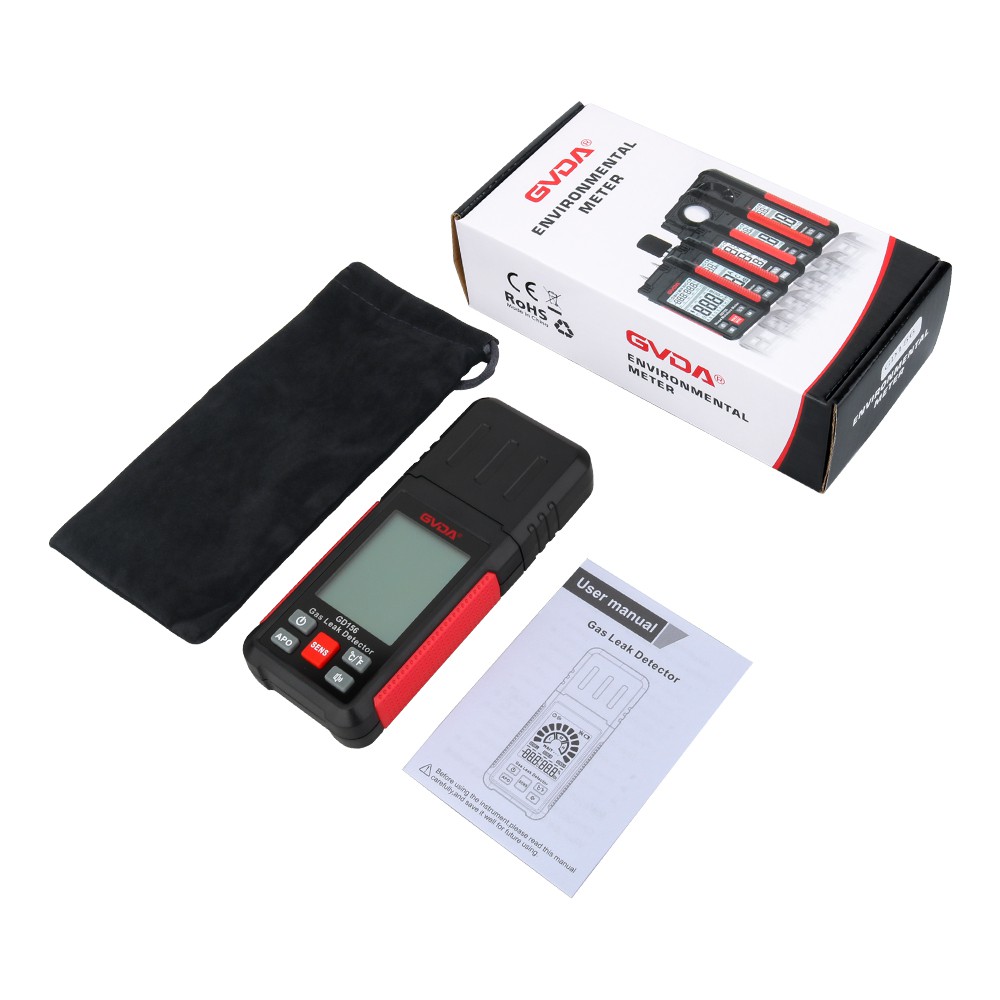
The Use and Key Points for Attention of Gas Detectors
For our friends who deal with gases all day long, not only do they need to understand the characteristics of each gas they come into contact with, but they also need to know the characteristics of the corresponding gas detection instruments.
The detection range of sulfur dioxide is generally 0 - 200, with a resolution of 125, and the maximum concentration it can withstand is 150;
The detection range of nitric oxide is generally 0 - 250, with a resolution of 125, and the maximum concentration it can withstand is 1000;
The detection range of ammonia is generally 0 - 50, with a resolution of 125, and the maximum concentration it can withstand is 200;
The detection range of carbon monoxide is generally 0 - 500, with a resolution of 125, and the maximum concentration it can withstand is 1500;
The detection range of chlorine is generally 0 - 100, with a resolution of 100, and the maximum concentration it can withstand is 500.
The detection range of hydrogen sulfide is generally 0 - 100, with a resolution of 110, and the maximum concentration it can withstand is 500;
The detection range of hydrogen cyanide is generally 0 - 100, with a resolution of 110, and the maximum concentration it can withstand is 100;
The Use and Key Points for Attention of Gas Detectors
In addition, the points we need to pay attention to are as follows: First, pay attention to the detection interference between various different sensors. Because if multiple instruments work simultaneously, each gas sensor is effective only for a specific gas, but it can't be said to be absolute. Therefore, when several different gas detectors work at the same time, there will be more or less interference. In order to ensure the accuracy of the measurement results, we should try our best to avoid the occurrence of interference situations. Second, the lifespan of various sensors is limited. As we mentioned before, we should pay attention to the service life of various gas sensors and replace them in a timely manner to ensure the accuracy of the measurement results. Third, pay attention to the measurable concentration range of the detector. The measurable concentration ranges of various gas detectors have been mentioned above. Please try to measure within this so-called range. Only in this way can the instrument measure more accurately. On the contrary, if the gas detector is overloaded and works beyond the measurable range for a long time, it will inevitably shorten the lifespan of the detector.