Thickness Measurement Method of Ultrasonic Scanning Microscope
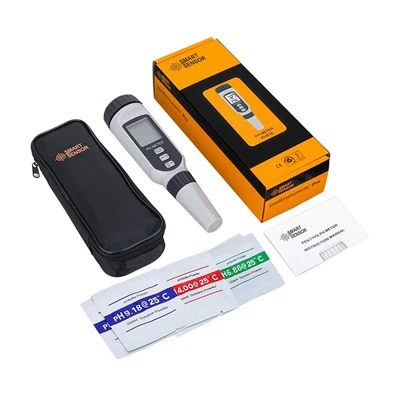
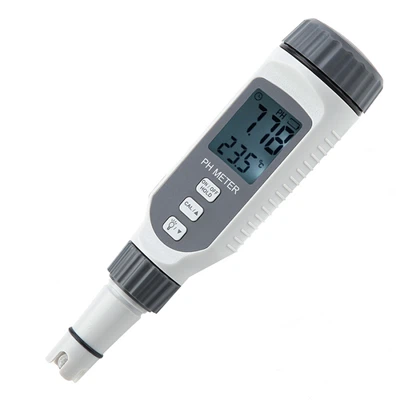
Before proceeding, the integrity of the electrode should be checked first. At present, most of the electrodes used in acidity meters (pH meters) are composite electrodes, and the older generation of acidity meters still use glass electrodes and calomel electrodes. Since composite electrodes are widely used, the composite electrodes are mainly discussed below.
At present, the composite electrodes used in the laboratory mainly include fully enclosed and non-enclosed types, and the fully enclosed type is relatively small, mainly produced by foreign companies. Before using the composite electrode, first check whether the glass bulb is cracked or broken. If not, when the pH buffer solution is used for two-point calibration, the positioning and slope buttons can be adjusted to the corresponding pH value. Use the manual for electrode activation treatment. The activation method is to immerse in 4% hydrogen fluoride solution for about 3-5 s, take it out and rinse it with distilled water, then soak it in 0.1mol/L hydrochloric acid solution for several hours, rinse it with distilled water, and then calibrate it, that is, use the pH value Position for the buffer solution of 6.86 (25°C). After adjustment, choose another pH buffer solution to adjust the slope. If it cannot be adjusted, the electrode needs to be replaced. For non-closed composite electrodes, an external reference solution, namely 3 mol/L potassium chloride solution, must be added inside, so it is necessary to check whether the potassium chloride solution in the electrode is more than 1/3, if not, add 3 mol/L potassium chloride solution. If the potassium chloride solution exceeds the position of the small hole, shake off the excess potassium chloride solution so that the solution is below the small hole, and check whether there are bubbles in the solution. If there are bubbles, flick the electrode to drive out the bubbles completely.