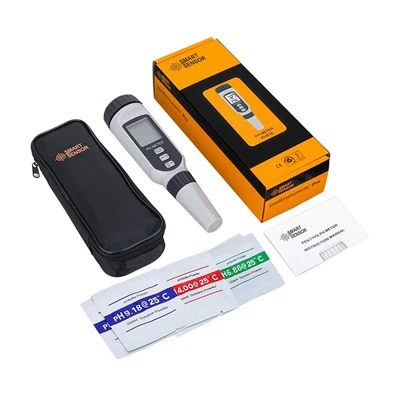
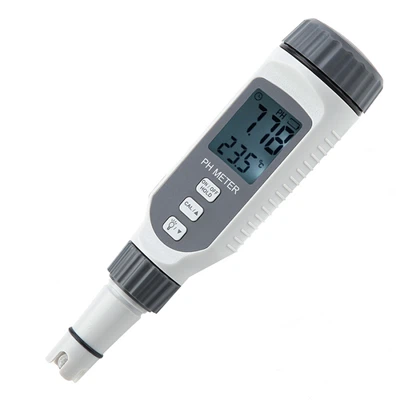
Tips for repairing digital multimeters, which include
A faulty instrument should first check and identify the fault phenomenon is common (all functions can not be measured), or individuality (individual functions or individual ranges), and then differentiate between the situation, the right solution.
1. If all the gear can not work, should focus on checking the power supply circuit and A/D converter circuit. Check the power supply part, you can remove the laminated battery, press the power switch, with a positive pen connected to the measured table power supply negative, negative pen connected to the power supply positive (for the digital multimeter), the switch is hit to the secondary tube measurement file, if the display is the secondary tube positive voltage, it means that the power supply part of the good, if the deviation is large, then it means that the power supply part of the problem. If there is an open circuit, focus on checking the power switch and battery leads, etc.. If there is a short circuit, it is necessary to use the disconnect method to gradually disconnect the components using the power supply, focusing on checking the operational amplifier, timer and A/D converter, etc.. If a short circuit occurs, it usually damages more than one integrated component. Check the A/D converter can be carried out at the same time as the basic table, equivalent to the DC head of the analogue multimeter, the specific check method:
(1) The range of the measured table is turned to the lowest DC voltage gear;.
(2) Measure whether the A/D converter operating voltage is normal. According to the table used in the A/D converter model, corresponding to the V + feet and COM feet, the measured value and its typical value compared to whether it is consistent.
(3) Measure the reference voltage of the A/D converter, the current commonly used digital multimeter reference voltage is generally 100mV or 1V, that is, measure the DC voltage between VREF+ and COM, if it deviates from 100mV or 1V, it can be adjusted by an external potentiometer.
(4) Check the display number of input zero, the positive terminal of the A/D converter IN + and the negative terminal IN - short, so that the input voltage Vin = 0, the instrument shows "00.0 or" 00.00.
(5) Check the full brightness of the display strokes. The test terminal TEST foot and the positive power supply terminal V + short, so that the logic ground into a high potential, all digital circuits stop working. Because each stroke is added to the DC voltage, so all strokes bright counterparts of the table shows "1888, counterparts of the table shows "18888. If there is a lack of strokes phenomenon, check the corresponding output foot of the A/D converter and the conductive adhesive (or line), and the display of whether there is poor contact between the line and the case of breakage.
2. If there is a problem with individual files, the A/D converter and power supply part of the normal operation. DC voltage, resistance file share a set of voltage divider resistors; AC and DC currents share a common shunt; AC voltage and AC current share a set of AC/DC converter; others, such as Cx, HFE, F, etc. are composed of independent different converters. Understand the relationship between them, and then according to the power supply diagram, it is easy to find the fault site. If the measurement of small signal inaccuracy or display figures jump big, then focus on checking the range switch contact is good.
3. If the measurement data is unstable, and the value is always increasing cumulatively, short the input of the A/D converter, the display data is not zero, it is generally 0.1 μF of the reference capacitor caused by poor performance.