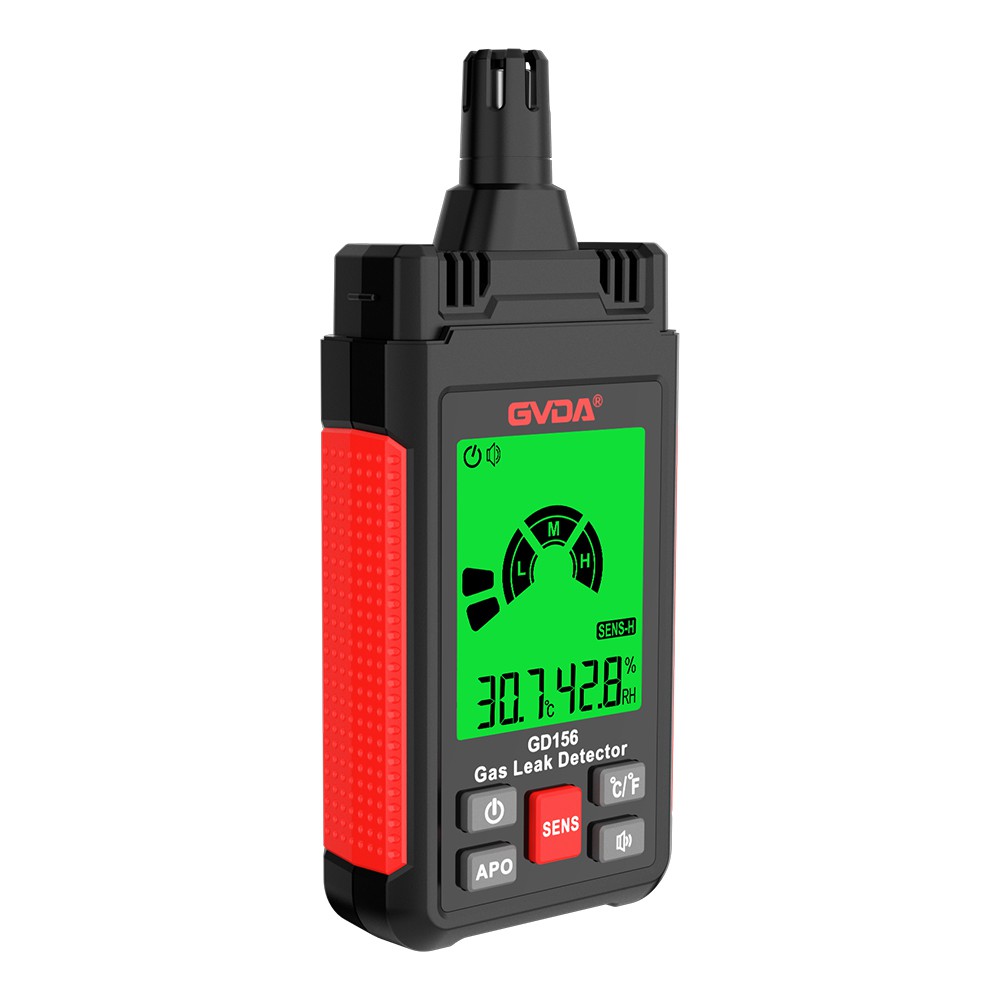
Use and maintenance of flammable gas detectors
Irregular construction process
If the construction process is not standardized, the flammable gas detector may malfunction during use. If the flammable gas detector is not located near the equipment that is prone to leaking flammable gas, or is installed adjacent to the exhaust fan, the leaked combustible gas cannot fully diffuse to the vicinity of the flammable gas detector, thereby preventing the leakage from being flammable in time. Sexual gas detector detection. For residential combustible gas detectors, they should be installed near the gas pipelines and stoves in the kitchen. When the household uses natural gas, the gas detector should be installed on the ceiling within 300mm of the ceiling. When the household uses liquefied petroleum gas, the gas detector should be installed on the ceiling. The detector should be installed within 300mm from the ground. If the flammable gas detector is not reliably grounded and cannot eliminate electromagnetic interference, it will inevitably affect the voltage and cause inaccurate detection data. Therefore, the flammable gas detector should be reliably grounded during construction. Combustible gas detectors and wiring terminals are installed in places prone to collision or water intrusion, causing electrical circuit breakage or short circuit. Welding must use non-corrosive flux, otherwise the joints will be corroded and disengaged or the circuit resistance will increase, affecting normal detection. Do not drop or drop the detector to the ground. After construction is completed, debugging should be carried out to ensure that the combustible gas alarm is in normal working condition.
maintenance
To detect combustible gas information, a combustible gas detector must communicate with the detection environment. Therefore, it is inevitable for various pollutant gases and dust in the environment to enter the detector, which will adversely affect the working conditions of the detector. Damage is an objective fact. The working environment of combustible gas detectors is relatively harsh, and many of them are installed outdoors. Improper maintenance will lead to errors in the detection of flammable gas alarms or no detection. Therefore, regular cleaning and maintenance of flammable gas detectors is an important task to prevent malfunctions.
Grounding should be checked regularly. If the grounding does not meet the standard requirements or is not grounded at all, the flammable gas detector will be susceptible to electromagnetic interference and cause malfunctions. Prevent components from aging. From the perspective of reliability, practice has proven that systems with combustible gas detectors that have a service life of more than 10 years tend to have more failures caused by component aging. Therefore, if the service life exceeds the requirements for use, it should be replaced in time.