Using a multimeter to maintain ATX power supplies
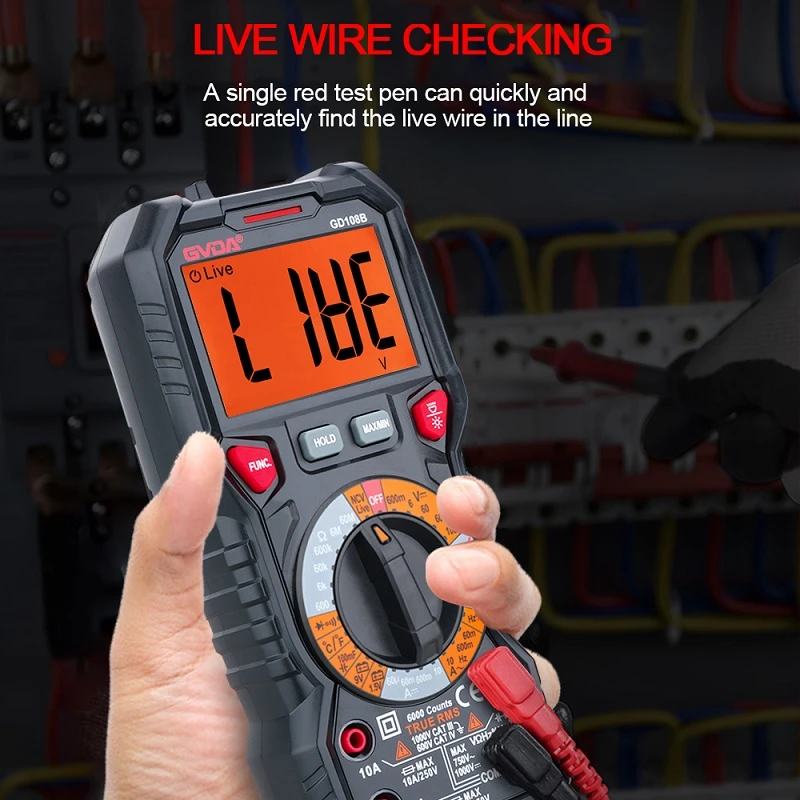
The multimeter is an essential measuring instrument for maintenance. Although any multimeter can be used for the maintenance of switching power supplies such as ATX, the digital one is better than the pointer one, and the automatic range one is better than the non-automatic range one.
The multimeter has the following uses in ATX power supply maintenance:
1. Measure the voltage and resistance to ground of the test point
2. Judging the straightness between the test points
3. Measure the resistance value of the resistor
4. Measure the capacity of the capacitor within the range
5. Measure a certain current
The function of the diode block of the digital multimeter:
The diode block of the automatic range digital multimeter generally has 3 function options: resistance, resistance buzzer, diode voltage drop buzzer
1. Resistance option: the dimension is resistance, which is used to measure the real resistance value between the red and black test leads.
2. Resistance buzzer option: the dimension is resistance, which is used to determine whether to buzz according to the set buzzer resistance. If the real resistance value between the red and black test leads exceeds the buzzer resistance, the multimeter will not buzz. then beep.
3. Diode voltage drop buzzer option: When the multimeter is in the diode buzzer option, the red pen of the multimeter is charged with voltage. When the voltage drop between the red and black pens is light and the buzzer is dropped, the multimeter will beep, otherwise it will not beep.
Conclusion: When the reading is small, the display value of the non-automatic range digital multimeter is the same as the real resistance value between the two points to be measured. As the real resistance value increases, the multi-meter indication value deviates more and more from the real resistance value between the two points. , but whether its dimension is resistance ohms or voltage volts, it will not affect the measurement process and the judgment made based on the measured value.
In the maintenance of ATX power supply, it is often necessary to use a multimeter to measure the resistance of the test point to the ground. For one side of the AC high voltage input side, select the diode block of the multimeter, connect the red pen to the negative pole of the full bridge, and connect the black pen to the test point. At this time, the multimeter will have a reading, which is the measured temperature-to-ground resistance; for the DC low-voltage output side, select the diode block, connect the red pen to the ground in the output terminal, and connect the black pen to the test point. At this time There will also be a reading, this reading is called the resistance to ground of the low voltage side of the power supply, always depending on the reference point selected, the resistance to ground of the ATX power supply is defined as the "resistance to ground of the high voltage side" and "Low-voltage side-to-ground resistance", please continue to pay attention to the details of the two resistance values, and will continue to update!