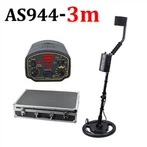
A gas detector is a piece of equipment used to measure the concentration of gas leaks. There are three types of gas detectors: fixed gas detectors, hand-held gas detectors, and portable gas detectors. The gas sensor's primary function is to identify the types of gases that are present in the environment. A sensor used to determine the composition and content of the gas is called a gas sensor. How can we extend the gas detector's service life in daily use, then?
The procedure for determining the gas detector's service life:
1. Verify whether the air system has any air leaks. Whether the sample probe's sealing ring is damaged, whether the four-way valve and condensate are broken, whether the weeping pump's diaphragm is damaged, etc.
2. Check the gas flow; if it is too high or too low, the analyzer's results will be significantly impacted.
3. Clean the sampling probe and clear the pipeline leading to the sample hole.
4. Verify the condenser is functioning normally. Typically, the temperature is set to within 3 degrees Celsius. 6. Verify whether the measurement chamber is unclean and quickly clean it.
5. Change the filter paper, then drain the filter tank and turn off the air pump.
The sensor is primarily responsible for the gas detector's service life. sensors that can identify explosive levels of flammable gases as well as poisonous gas concentrations. Electrochemical sensors with a service life of two to three years make up the majority of the sensors used to assess the concentration of dangerous gases. Catalytic combustion sensors, which have a service life of 3 to 5 years, make up the majority of the sensors used to measure the concentration of combustible gas.