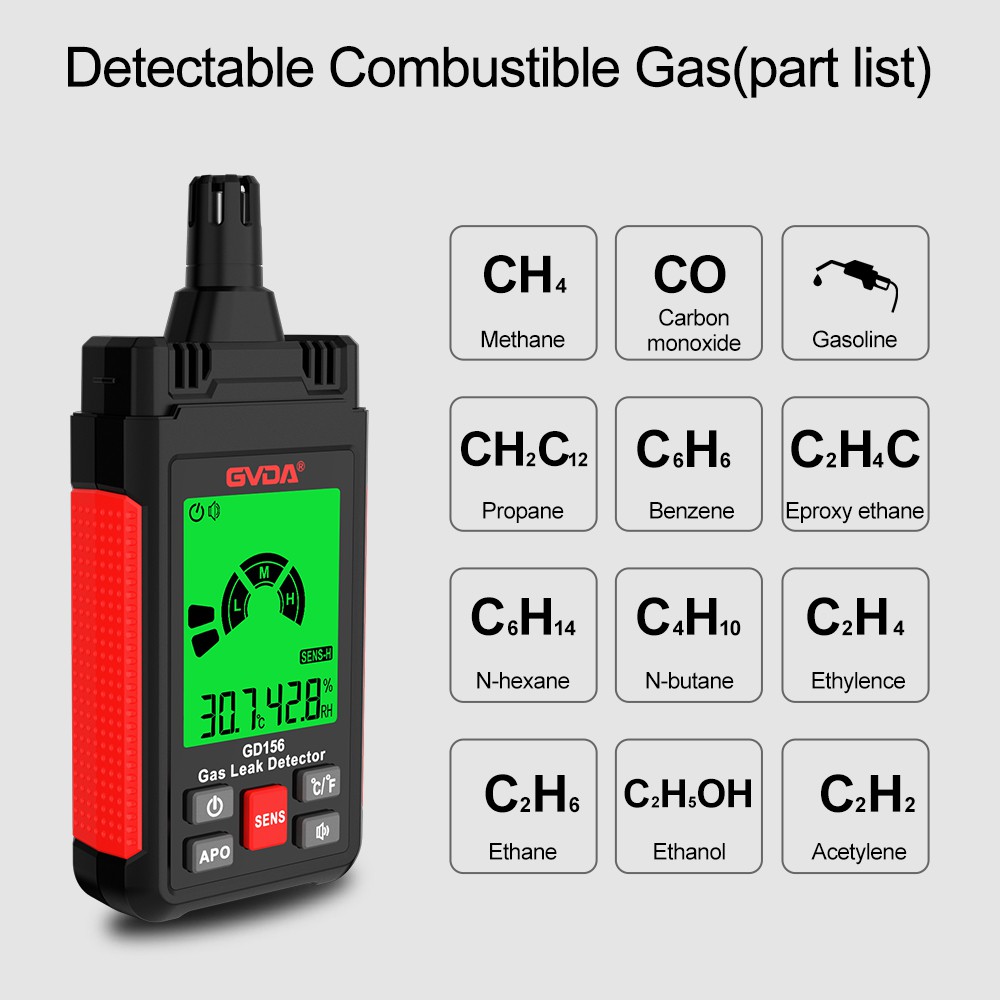
A gas detector is a type of instrumentation tool used to detect the concentration of gas leaks. Gas detectors can be portable, hand-held, stationary, online, etc. The gas sensor is a sensor used to determine the type of gas present as well as its composition and content. The fact that the quality element makes up just a small portion of the choice of common manufacturers, the majority of which are brought on by wrong selection and misuse, is the reason why the gas detector cannot be used or is destroyed during usage. Do you grasp the common misconceptions surrounding the use of gas detectors?
Misconceptions around the usage of gas detectors
Use a lighter to test the flammable gas detector's functionality after the client has installed it on the job site. Acceptance error: Test with high concentration gas. The detector beeps following a ventilation test, however it cannot be reset to zero. In typical use, each sensor returns to the factory to be replaced after damage is discovered.
Analysis: For testing during acceptance, many customers prefer to use high concentration gas. This approach is incredibly imprecise and can easily harm the instrument. The lower explosion limit of the combustible gas detector is low (methane is 05% vol), the lighter gas is high-purity butane, which is well outside the detection range, and the detection range of the combustible gas detector is 0100% LEL.
Errors in the test: When testing lighter gases, the sensor will be struck two to three times or more, and the chemical activity of the sensing element will prematurely decay or deactivate, resulting in lower detection. The sensor was discarded after the platinum wire blew. It should be emphasized that the manufacturer cannot guarantee sensor failures brought on by high-concentration gas shock, and customers will need to pay for replacements.
Analyses: The majority of commercially available flammable gas detectors operate on the catalytic combustion principle. According to the catalytic combustion theory, the temperature of the catalytic element is raised by the combustion heat by producing low-temperature flameless combustion on the element.