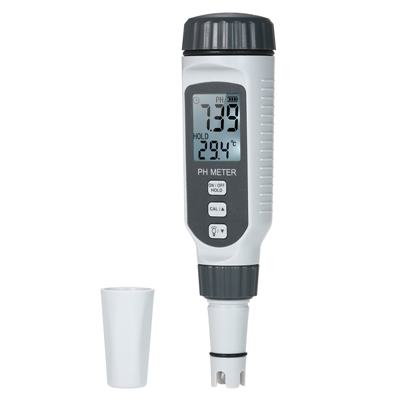
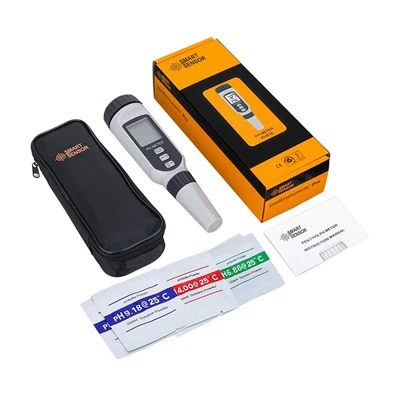
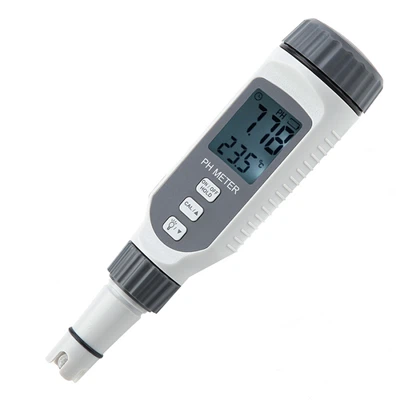
we develop a new Digital anemometer can measure the wind speed. you like it?
Wind speed is the forward speed of the wind. The greater the pressure difference between two adjacent places, the faster the air flow, the greater the wind speed, and the greater the wind power. Therefore, the wind is usually expressed in terms of wind. The unit of wind speed is expressed in meters per second or kilometers per hour. When the weather forecast is released, the formula is "from all the way to nine, multiply by 2 at all levels". It means: from the first to the ninth wind, multiply each level by 2 to roughly get the maximum speed of the wind. For example, the maximum speed of the first-level wind is 2 meters per second, the second-level wind is 4 meters per second, the third-level wind is 6 meters per second... and so on. There are also transition numbers between the wind levels. For example, the first-level wind is 1-2 meters per second, the second-level wind is 2-4 meters per second, the third-level wind is 4-6 meters per second, and so on. Convert the wind force to the corresponding wind speed, that is, the distance of air flow per unit time, expressed in meters per second. Grades four to nine are not difficult to calculate, subtract two times three for the series. Ten to twelve are rare, keep in mind ten is easy to handle. The tenth-level wind speed is twenty-seven, and each plus four is more than one level. That is: the wind speed of the primary wind is equal to 1 m/s, and the wind speed of the secondary wind is equal to 2 m/s. Add 1 to the wind scale of the third wind, and its wind speed is equal to 4 m/s. From grades 4 to 9, subtract 2 from the series and multiply by 3 to get the wind speed of the corresponding grade. The wind speed algorithm for grades ten to twelve is the same. The tenth grade wind speed is 27 m/s. On this basis, add 4 to the eleventh grade wind speed of 31 m/s, and add 4 to the twelve grade wind speed of 35 m/s.
Weather vane example
Weather vane example
Level 0-12