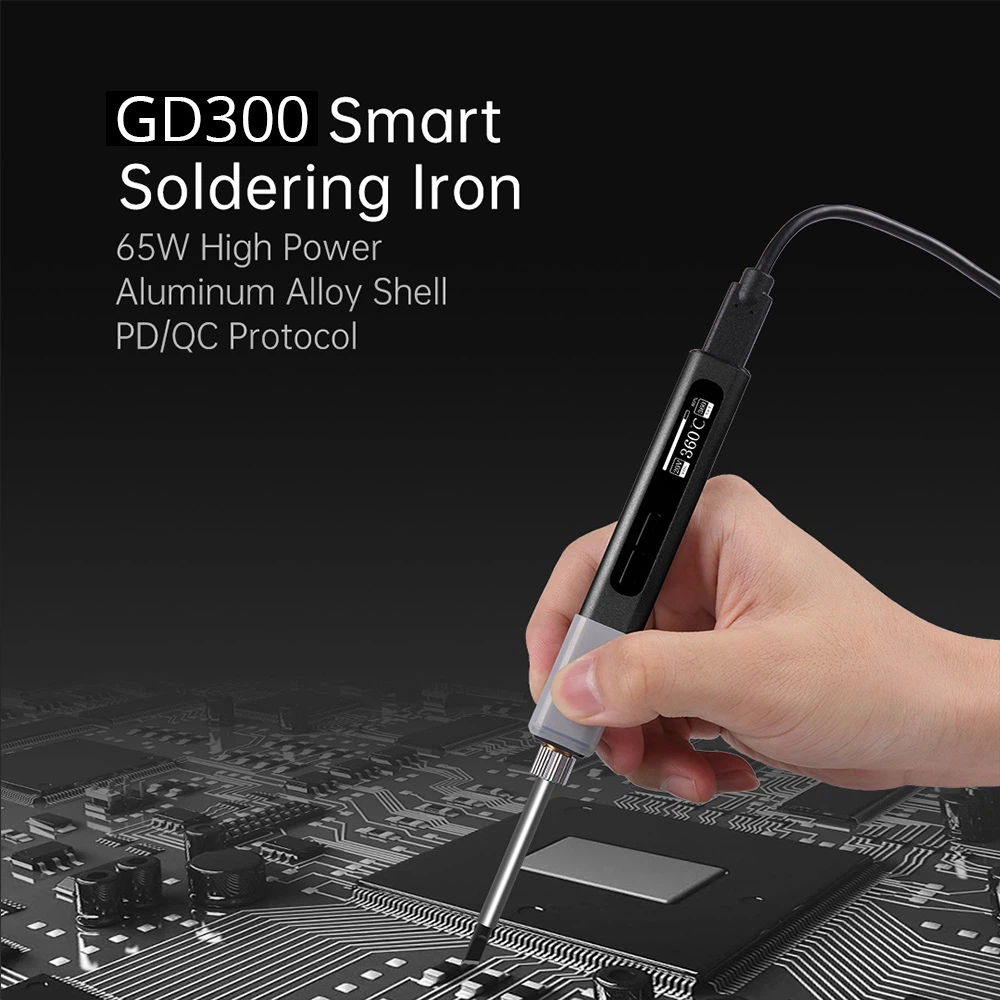
What are the auxiliary materials and tools for electric soldering irons
1. Soldering tin
Solders with lower melting points are mainly made of tin based alloys.
2. Flux
Rosin is the most commonly used soldering flux, which can help remove oxides from the metal surface, facilitate welding, and protect the soldering iron head.
3. Auxiliary tools during welding
Auxiliary tools are generally used for fixing or removing small components, with the most commonly used being inserts. In addition, there are pointed nose pliers, side cutters, etc.
Precautions for using electric soldering irons:
1. When purchasing a new electric soldering iron, it is best to choose a three pole plug. The electric soldering iron with a grounding function on the shell is safer to use, after all, the electric soldering iron is connected to a 220V AC voltage, and attention must be paid to electrical safety.
2. Before use, it is necessary to carefully check and confirm that the power plug and power cord are not damaged, and check if the soldering iron head is loose. When the above problems are found, they should be used after troubleshooting.
3. During use, do not move the soldering iron head over others to avoid danger. When there is too much solder on the soldering iron head, it can be wiped off with a cloth and must not be thrown to avoid scalding oneself or others. Electric soldering irons should not be placed randomly to prevent high temperatures from igniting flammable materials. Be careful not to touch the soldering iron head with the power cord to avoid danger.
4. After use, the power should be cut off in a timely manner, and after the soldering iron head cools down, the electric soldering iron should be retracted.
Treatment method for non sticking tin of electric soldering iron
Method 1: Hang off the oxide layer on the surface of the soldering iron head with a small knife, and then dip it in some rosin to solve the problem. However, if this method is not thoroughly removed, it will damage the soldering iron tip over time, resulting in poor heat transfer of the soldering iron.
Method 2: Immerse the oxidized soldering iron tip into a container containing alcohol, take it out after about 1-2 minutes, and the oxide is completely removed, giving the soldering iron tip a new look. The reason is that after heating copper oxide and alcohol, a chemical reaction will occur, reducing copper and having no corrosive effect on the electric soldering iron head.
Method 3: Use and maintain the tool correctly according to maintenance specifications, use it at low temperatures as much as possible, reduce its oxidation rate, and extend its service life. Do not use force to compress, as long as the heat is in good contact, it will be transmitted normally.