What are the benefits of regular calibration of combustible gas detectors
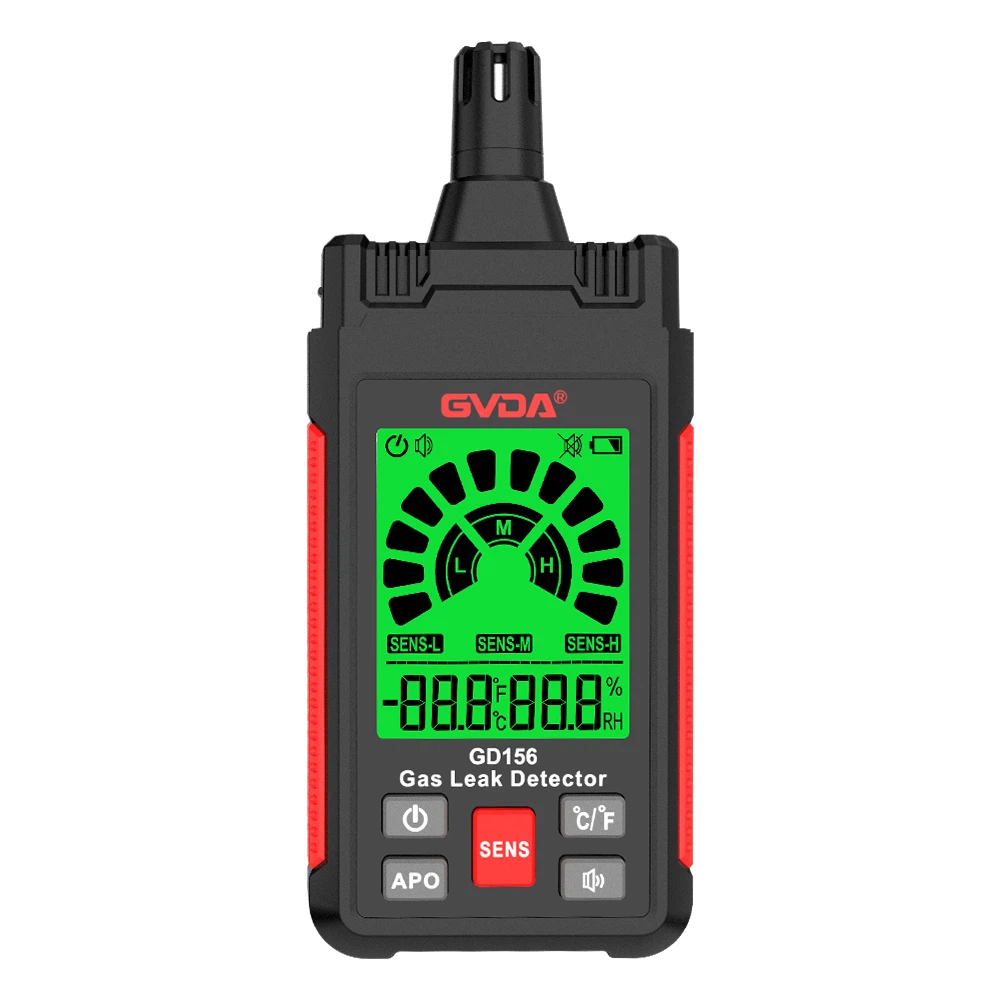
As we all know, combustible gas detectors are devices used to detect specific gases, and can respond to single or multiple combustible gas concentrations. In daily life, the combustible gas detectors that are often used mainly include catalytic combustible gas detectors and semiconductor combustible gas detectors. However, no matter what type of combustible gas detector it is, it needs to be calibrated regularly. So do you know why combustible gas detectors need regular calibration?
1. The accuracy of the combustible gas detector is an important prerequisite for the detection of toxic and harmful gases in the environment or when the concentration of combustible gases reaches the preset alarm limit, an important premise is issued. Accurate and timely alarms are the guarantee to ensure personnel safety and production safety.
2. The accuracy of the detector mainly depends on the sensor. Electrochemical sensors and catalytic combustion sensors may be gradually changed or poisoned by specific substances in the environment during use. Therefore, regular calibration of gas detectors is absolutely necessary.
3. At present, all gas detectors have not deviated from the relative measurement method. Therefore, combustible gas detectors must be maintained and calibrated in a timely manner, and the manufacturer's requirements must be accurately corrected to ensure the accuracy of instrument test results.
4. It is also necessary to calibrate the test results of the combustible gas detector frequently to ensure that the error does not exceed the normal range. Like our watches, we must also be regularly calibrated with the standard time to ensure the accuracy of the displayed time.
From the above, it can be seen that combustible gas detectors need to be calibrated regularly to minimize errors in device test results and effectively improve accuracy. Therefore, before using any type of instrumentation, the equipment should be tested for response to a standard gas to ensure that the equipment is actually protecting.