What does inrush current on a multimeter mean?
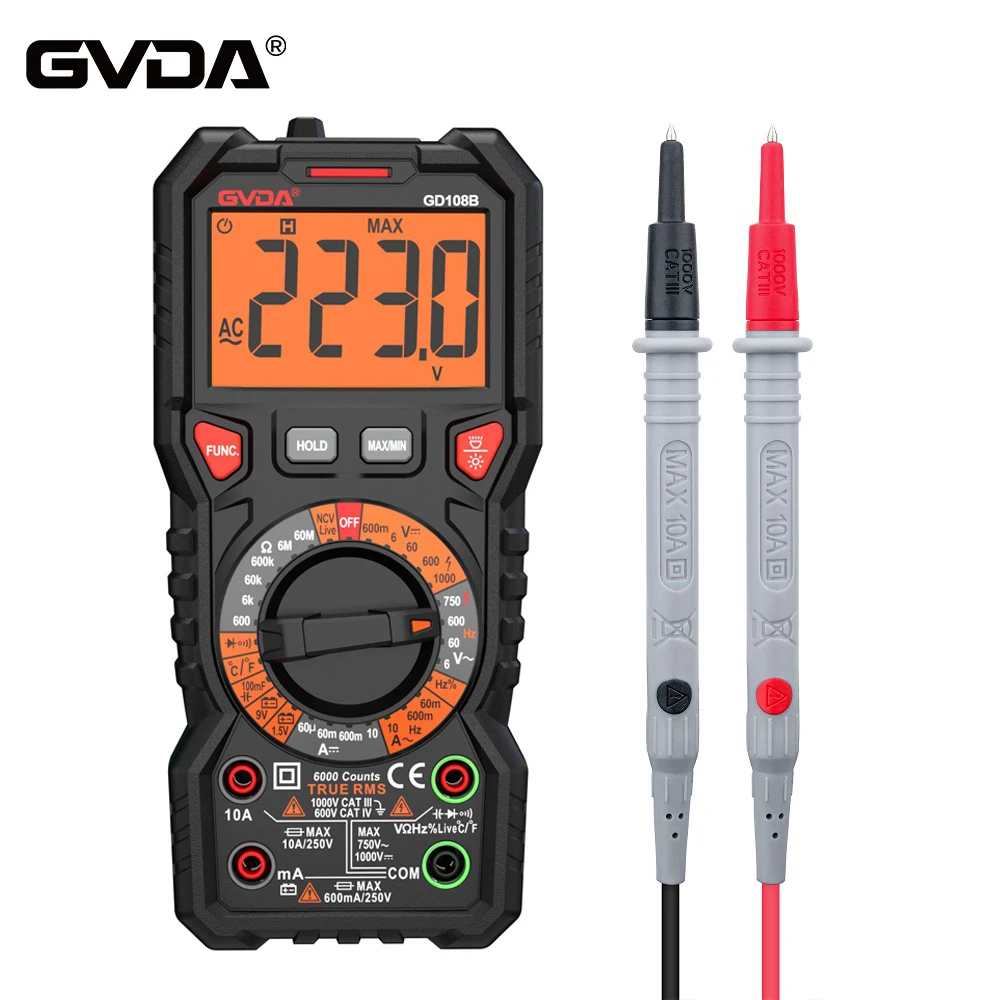
A multimeter is a tool used by electricians to measure specific parameters of circuits or electrical appliances. Inrush current refers to the current caused by a momentary voltage rise in a circuit. This current can be extremely large and capable of causing severe damage to equipment. Therefore, the presence of inrush current must be noted when taking measurements with a multimeter.
Generally, inrush current arises from sudden changes in voltage or electric fields. It can reach extremely high voltage and current levels in an instant, posing a hazard to equipment and circuits. It may damage electronic components of the device, cause short circuits, and even lead to serious consequences such as fire.
To prevent such hazards, multimeters are usually equipped with an inrush current measurement function. Before measuring inrush current, carefully read the equipment manual to confirm the measurement criteria. In most cases, the criterion is defined as the maximum limit of voltage rise within a short period, or the peak electromotive force or transient voltage that occurs in the circuit.
During testing, install the test equipment carefully and ensure all wires are securely and correctly connected to the test instrument. Meanwhile, to protect the multimeter from inrush current, use test instruments that meet relevant standards. Commonly used devices include high-voltage discharge units or voltage-withstand test units.