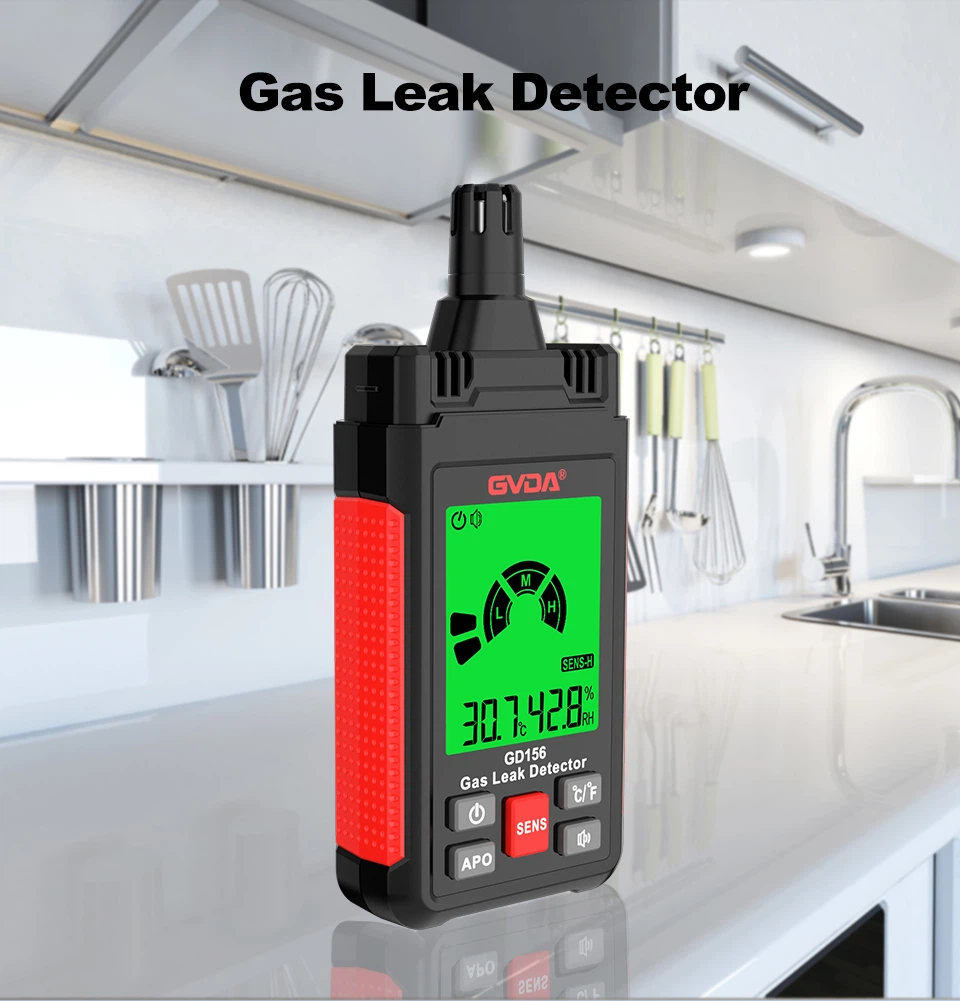
The combustible gas detector can detect different gases according to different detection principles. Catalytic combustion principle: the catalytic combustion gas sensor uses the thermal effect principle of catalytic combustion to produce flameless combustion of combustible gas under the action of the carrier surface of the detection element and catalyst under certain temperature conditions, and outputs an electrical signal proportional to the concentration of combustible gas. By measuring the resistance change of the platinum wire, the concentration of combustible gas can be known. It is mainly used for the detection of combustible gas, with good linearity of output signal, reliable index, low price, and no cross infection with other non combustible gases. The gases detected include almost all hydrocarbons. Semiconductor principle: semiconductor gas sensor is a gas sensor using semiconductor gas sensor as the sensing element. It is the most common gas sensor and is widely used as a combustible gas leakage detection device in homes and factories, and is suitable for detection of methane, natural gas, liquefied gas, hydrogen gas, etc