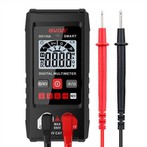
What is the difference between an analog multimeter and a digital multimeter?
A multimeter is an electrical measuring instrument used to measure electrical parameters such as voltage, current, resistance, etc. Not all multimeters are created equal, and different multimeters vary in size, precision, accuracy, and measurement parameters. Multimeters are used primarily by electricians, engineering students, and hobbyists to troubleshoot electrical equipment and circuits. There are two main types of multimeters, namely analog multimeters and digital multimeters.
Analog multimeter
Analog multimeters are the oldest type of multimeter. It has a needle that rotates along the scale, but it's hard to read. The advantage is that it is cheap and sensitive. Analog multimeters are more sensitive than digital multimeters and can sense even small changes in readings.
Analog multimeters are made from a coil of wire placed between two permanent magnets, with a needle placed on top of the coil. When current passes through the coil, it creates a magnetic field that interacts with the magnetic field of the permanent magnet, causing it to rotate. As the coil rotates, the pointer moves along the scale. The angle of rotation of the coil depends on the amount of current flowing through the coil. Therefore an analog multimeter is also called a galvanometer which has a very small resistance and therefore is more sensitive than a digital multimeter. But be careful to avoid full scale deflection (FSD). When the current exceeds the range of coil deflection, it begins to burn out the coil, causing damage to the instrument.
digital multimeter
A digital multimeter refers to an instrument that can measure various parameters and display them on an LCD screen. Unlike analog multimeters, digital multimeters display numerical calculations, making the measurement results easier to read. But the flip side of this advantage is that analog multimeters display readings without any calculations and therefore have fast response times.
A digital multimeter has an LCD, a rotating dial, and multiple ports. The dial contains an internal circuit connected by a circle of concentric rings. Dial knobs are used to activate circuits to make specific measurements. A digital multimeter has a built-in microprocessor to calculate the readings. However, the input voltage or current is in analog form. Therefore, an ADC (analog-to-digital converter) is included to convert the readings and display them on the LCD screen. Unlike the pointer scale on an analog multimeter, the LCD makes measurements easy to read. Additionally, digital multimeters have overload protection when measurements go out of range.