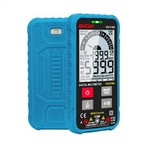
What is the difference between pump suction and diffusion gas detectors
What is the difference between a pump suction gas detector and a diffusion gas detector? A diffusion gas detector slowly flows the sample gas into the instrument for detection as the gas in the detection area flows freely with the air, and needs to be placed on site. This method is affected by the detection environment, such as ambient temperature, wind speed, etc., and is not suitable for low-pressure gas sources. The advantage of a diffusion gas detector is that its cost is lower than that of a pump suction type.
The pump suction gas detector is equipped with a gas sampling pump, which works by driving the gas sampling pump with a power supply to extract and sample the gas in the test area, and then sending the sample gas into the instrument for detection. The characteristics of the pump suction gas detector are fast detection speed, remote measurement of dangerous areas, and maintenance of personnel safety. Suitable for situations where gas detectors cannot be placed on site and have special requirements for reaction speed, pressure difference, etc.
What is the difference between pump suction and diffusion gas detectors
The gas sampling pump is an important operating component of a pump suction gas detector, which directly affects the lifespan and reliability of the instrument. Gas detectors generally use small and micro volume air pumps. During design, micro air pumps are selected based on requirements such as flow rate, pressure, power, isolation from samples, no leakage, lightweight, low noise, electromagnetic compatibility, and lifespan.
What are the detection items of the pump suction gas detector: Zhengzhou Ounuo Instrument S311 pump suction gas detector adopts the detection principle of semiconductor or toxic gas, which is more suitable for finding and detecting the location of leaked gas. Compact in size, easy to operate, convenient to carry, and can also come with a flexible probe for a comfortable feel.
Detecting gases: toxic and harmful gases such as methane, natural gas, ammonia, hydrogen, coal gas, propane, acetone, gasoline, coolant, ethanol, oxides, hydrogen sulfide, paint, thinner, industrial solvents, alcohol, gas fuels, and other organic liquid vapors