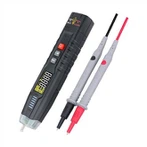
What is the four-in-one gas detector's numerical standard?
I believe everyone knows that the four-in-one gas detector, also known as the composite gas detector, can be used for routine detection of four gases, namely: combustible gas EX, carbon monoxide CO, hydrogen sulfide H2S, and oxygen O2. However, the four All-in-one gas detectors also have relevant data standard requirements when detecting these gases. So what is the numerical standard of the four-in-one gas detector? The following editor will introduce to you:
1. Values for different concentration ranges of combustible gas methane:
1. Methane (CH4): When the gas detector exceeds 1.00%, the gas detector will alarm;
2. When the value of methane (CH4) on the detector is lower than 1.00%, it is normal;
3. When the value of methane (CH4) on the detector exceeds 5%, there is a danger of explosion when exposed to light. electric flame welding is prohibited;
4. If the value of methane (CH4) on the detector exceeds 25%, it can cause headache, dizziness, fatigue, lack of concentration, and rapid breathing and heartbeat. Get outside for some air every 30 minutes or so.
2. Values for different concentration ranges of carbon monoxide:
Carbon monoxide (CO): the gas detector alarms when it exceeds 24ppm;
When the carbon monoxide (CO) on the detector exceeds 50pm, it is the maximum content allowed for adults to be exposed to it;
When carbon monoxide (CO) on the detector exceeds 200ppm, (2-3) hours later, there is a slight headache. Dizziness, compassion phenomenon, every 30 minutes or so to go outside to breathe;
When the carbon monoxide (CO) on the detector exceeds 400ppm, leave the scene immediately and report to the responsible person.
3. Values for different concentration ranges of hydrogen sulfide:
Hydrogen sulfide (H2S): the gas detector will alarm when it exceeds 10ppm;
When the hydrogen sulfide (H2S) on the detector is 50ppm–100pa, there is a pungent smell. Get outside for air every 30 minutes or so;
When the hydrogen sulfide (H2S) on the detector is 100ppm–200pm, the sense of smell is paralyzed, immediately leave the scene and report to the responsible person;
When the hydrogen sulfide (H2S) on the detector exceeds 200pm, it will be poisoned within one hour. Immediately leave the scene and report to the responsible person.
4. Values for different concentration ranges of oxygen:
Oxygen (02): When it is lower than 18.0%, the gas detector will alarm;
The gas (O2) value on the detector is 20.9%, which is the normal content of oxygen in the air;
When the oxygen (O2) value on the detector is lower than 15%, people will have shortness of breath, headache, dizziness, and fatigue all over the body. If the action is slow, leave the scene immediately and report to the responsible person.