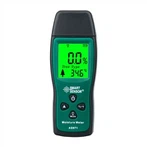
What is the structure of a test pen? How much voltage can a measuring pen measure
What is the structure of a test pen
A test pen is one of the essential tools for electricians, used to measure whether a conductor is live. It is mainly used to check whether electrical circuits and equipment are live. Here is an introduction to the structure of a test pen. Let's take a look together!
The structure of a measuring pen generally consists of a contact electrode, resistance, neon bubble, spring, and a metal end cover (hand contact electrode). For digital devices, there are also display screens, indicator lights, power and time verification keys, and power-off testing keys.
In addition, there are many types of appearance for measuring electric pens, such as those that are shaped like screwdrivers but cannot be used as screwdrivers, cannot be used to tighten screws, or to disassemble screws. There are also some new types of measuring pens, such as digital ones, which can not only observe whether there is electricity in the wire, but also measure the value of voltage. In addition, some electrician friends use induction type measuring pens, which are very convenient to use. There are many types of test pens, which increases the choice for electricians.
How much voltage can a measuring pen measure
1. The voltage range measured by a regular test pen is between 60V and 500V. When it is below 60V, the neon tube of the test pen may not emit light. When it is above 500V, a regular test pen cannot be used to measure, otherwise it may cause personal electric shock.
2. When using, it is important to ensure that your fingers are in contact with the metal pen holder (pen style) or the metal screw at the top of the test pen (screwdriver style), so that the current flows through the charged object being tested and forms a circuit between the test pen and the human body and the ground. As long as the voltage between the tested charged body and the ground exceeds 60V, the neon tube will light up. When observing, the backlight of the neon tube window should be facing the operator.