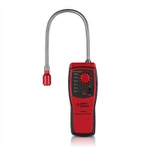
What symptoms will a combustible gas detector show when subjected to electromagnetic interference, and how to prevent it?
The combustible gas detector may exhibit the following symptoms when subjected to electromagnetic interference:
1. False alarm: Electromagnetic interference may cause the sensor of the detector to generate incorrect signals, resulting in the instrument issuing alarm signals without combustible gas leakage, interfering with normal production and work order.
2. Abnormal reading: The display screen of the detector may show unstable or inaccurate readings, and the values may fluctuate irregularly, deviating from the actual gas concentration value, which affects the accurate judgment of the concentration of combustible gases in the environment.
3. Signal loss or interruption: Severe electromagnetic interference may cause communication signals between the detector and other devices to be lost or interrupted, making it impossible for the detector to transmit data or receive control instructions normally, affecting the operation of the entire safety monitoring system.
2, Measures to avoid electromagnetic interference on combustible gas detectors
To ensure the accurate and reliable operation of the combustible gas detector, we need to take a series of measures to prevent electromagnetic interference. Specific measures include:
1. Reasonable installation location: Install the detector in a place far away from strong electromagnetic interference sources, such as large motors, transformers, frequency converters, etc. At the same time, avoid installing the detector near metal pipes or equipment to reduce the reflection and enhancement of electromagnetic waves.
2. Shielding measures: Use cables with good shielding performance to connect the detector and other equipment, and ensure that the shielding layer is reliably grounded. In addition, choosing detector products with electromagnetic shielding shells can reduce the impact of electromagnetic interference to a certain extent.
3. Grounding treatment: Ensure that the grounding of the detector is good and the grounding resistance meets the relevant standard requirements. Good grounding can introduce the induced current generated by electromagnetic interference into the ground, thereby protecting the detector from interference.
4. Reasonable wiring: When laying cables, pay attention to separating the power and signal lines to avoid parallel laying and reduce interference caused by electromagnetic coupling. If parallel laying cannot be avoided, sufficient spacing should be maintained to reduce interference.
5. Regular maintenance and inspection: Regularly maintain and inspect the detector, including checking the installation status, cable
connections, and whether the grounding is good. At the same time, regular calibration and testing of the detector should be carried out to ensure its performance is in good condition and improve its anti-interference ability.