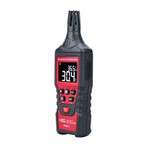
When using a multimeter, what safety precautions should I take?
a. Do not use a damaged meter. Check the meter case before using the meter and note the insulation near the connection socket.
b.Check the test pens for damaged insulation or bare metal, check the on/off nature of the pens, and replace damaged pens before using the meter.
c.Do not use the meter when the operation appears abnormal, so the protection may be damaged at that time. When in doubt, send the meter for service.
d.Do not use the meter near explosive gases, vapours or dust.
e.Do not input more than the rated voltage indicated on the meter at any two terminals or between any terminal and earth.
f.Verify the meter by measuring a known voltage with the meter before use.
g.When measuring current, turn off power to the line before the meter is connected into the line.
h.When servicing the meter, use only labelled replacement parts.
i.Pay special attention when measuring AC voltages of 30V average, 42V peak, or 60V DC or higher, as such voltages can cause a shock hazard.
j.Keep your finger behind the stopper of the meter when using the test meter pen.
k. When measuring, please connect the public test pen (black pen) before connecting the powered pen (red pen); when disconnecting, please disconnect the powered pen before disconnecting the public pen.
l. When opening the battery compartment, please remove all test pens from the meter.
m.Do not use the meter when the battery compartment or meter housing part is not covered tightly or loosely.
n.When the battery low voltage approval symbol " " appears, replace the battery as soon as possible to avoid possible electric shock or personal injury from false readings.
o.Do not use the multimeter to measure, voltages other than the CAT classification class shown on the multimeter.