Why do gas detectors have to be regularly calibrated and performance tested
1. In principle, the calibration of combustible gas detectors should use standard gases that have been certified and matched with the detected gas.
2. Before calibrating the combustible gas detector, it should be ensured that the surrounding environment of the combustible gas detector is free of combustible gases. If there is combustible gas, remove the rain cover first, fill a certain amount of clean air, and then continuously introduce the sample gas to ensure the accuracy of calibration.
3. When the tested gas is a hydrocarbon mixture, isobutane is the selected gas, followed by propane.
4. For non hydrocarbon mixtures or hydrocarbon mixtures with significantly different heat generated during combustion of gases with lower explosive limits, single component fuels such as butane, isobutane, and propane, which are both readily available and stable, can be used as samples when necessary. At this point, the range of the alarm must be adjusted based on a certain conversion relationship of the detection signal.
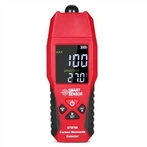
Common gas detectors include portable gas detectors, four in one gas detectors, VOC detectors, etc. When you purchase a gas detector, most merchants will guide you on how to adjust it and remind you that the gas detector needs to be calibrated regularly. Why is this?
1. The accuracy of the instrument is an important prerequisite for issuing an alarm when the concentration of toxic and harmful gases or combustible gases in the detection environment reaches the preset alarm limit. Correct and timely alarm is the guarantee of personnel safety and production safety.
2. The accuracy of the detector mainly depends on the sensor. Electrochemical sensors and catalytic combustion sensors will gradually change or even become toxic and ineffective due to the influence of certain substances in the environment during use. So regular calibration of gas detectors is completely necessary.
3. At present, all gas detectors have not yet freed themselves from the method of relative measurement. Therefore, the instruments need to be maintained and calibrated in a timely manner. Only by correctly calibrating according to the manufacturer's requirements can the accuracy of the results detected by the instruments be guaranteed.
4. To ensure that the error of the instrument detection results does not exceed the normal range, regular calibration is also necessary. Just like our watches, we often calibrate them against standard time to ensure the accuracy of the time displayed on the watch. For gas detectors whose detection results involve personal safety, accuracy is even more important.