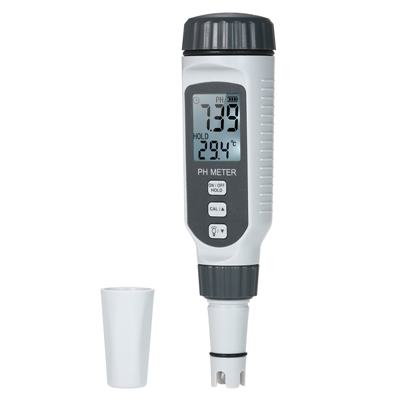
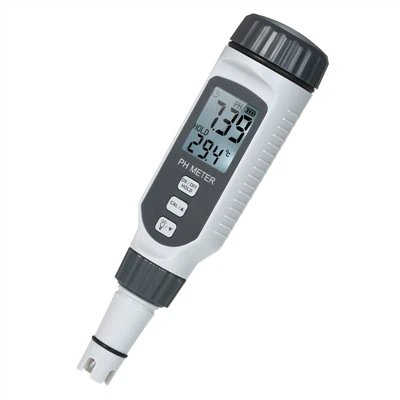
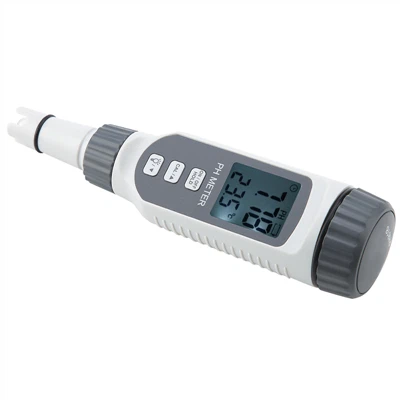
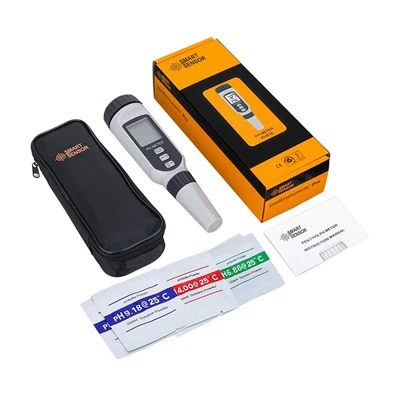
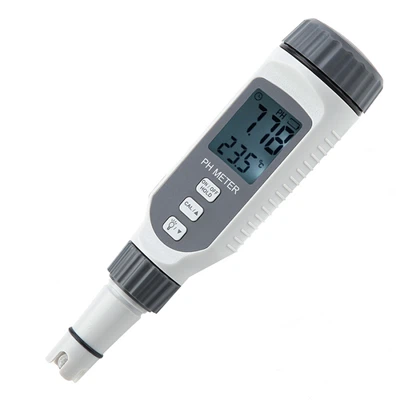
Winter teaches you how to use and maintain a pH meter correctly
The pH meter, abbreviated as pH meter, consists of two parts: an electrode and an electrometer. If the electrodes can be properly maintained, standard buffer solutions can be prepared according to requirements, and the electrometer can be operated correctly during use, it can greatly reduce pH indication errors, thereby improving the reliability of chemical experiments and medical testing data.
Proper use and maintenance of PH electrodes
At present, the pH meter electrodes used in the laboratory are all composite electrodes, which have the advantages of being convenient to use, not affected by oxidizing or reducing substances, and having a fast equilibrium speed. When using, remove the rubber sleeve on the pH meter electrode filling port and the rubber sleeve at the lower end to maintain the hydraulic pressure difference of the potassium chloride solution inside the electrode. Below is a brief introduction to the use and maintenance of electrodes:
1. When the composite electrode is not in use, it can be fully immersed in a 3M potassium chloride solution. Avoid soaking with detergent or other absorbent reagents.
2. Before use, check the bulb at the front end of the glass electrode. Under normal circumstances, the electrode should be transparent and free of cracks; The bubble should be filled with solution and there should be no bubbles present.
3. When measuring solutions with high concentrations, try to shorten the measurement time as much as possible. After use, clean carefully to prevent the measured solution from adhering to the electrode and contaminating it.
4. After cleaning the electrodes, do not wipe the glass film with filter paper. Instead, use filter paper to absorb it dry to avoid damaging the glass film, preventing cross contamination, and affecting measurement accuracy.
5. During measurement, attention should be paid to the silver chloride internal reference electrode of the electrode, which should be immersed in the chloride buffer solution inside the bulb to avoid the occurrence of digital jumping in the display part of the electrometer. When using, be careful to gently shake the electrode a few times.
6. Electrodes should not be used in strong acids, bases, or other corrosive solutions.
7. It is strictly prohibited to use in dehydrating media such as anhydrous ethanol, potassium dichromate, etc.
Preparation and preservation of standard buffer solution
1. PH reference materials should be stored in a dry place. For example, mixed phosphate pH reference materials may undergo deliquescence when the air humidity is high. Once deliquescence occurs, pH reference materials cannot be used.
2. The preparation of pH standard solution should use secondary distilled water or deionized water. If it is used for measuring pH with a 0.1 level pH meter, ordinary distilled water can be used.
3. The preparation of pH standard solution should be diluted using a smaller beaker to reduce the amount of pH standard solution adhering to the walls of the beaker. Plastic bags or other containers for storing pH standard substances should not only be emptied clean, but also be rinsed multiple times with distilled water, and then poured into the prepared pH standard solution to ensure its accuracy.
4. The prepared standard buffer solution can generally be stored for 2-3 months. If turbidity, mold, or precipitation are found, it cannot be used again.
5. The alkaline standard solution should be stored in a sealed polyethylene bottle. Prevent carbon dioxide from entering the standard solution to form carbonic acid and reduce its pH value.
Correct calibration of pH meters
There are many types of pH meters due to different designs of electric meters, and their operating steps are different. Therefore, the operation of pH meters should be strictly carried out according to their user manual correctly. In specific operations, calibration is an important step in the operation of pH meters. The data in Table 1 are the measured values of pH meters with an accuracy of 0.01 level and passing metrological verification, both before and after calibration, indicating the importance of calibration.