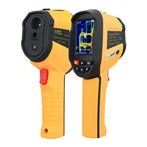
Analysis of the principle and usage of four-in-one gas detector
With the diversification of combustible gas detection instruments, other gas detectors have appeared widely on the market, such as four-in-one gas detectors. People's work and life safety have been prevented and guaranteed to a certain extent.
The 4-in-1 gas detector uses a special circuit to measure the detector current at two points. When flammable gas enters the circuit chamber, which is half hot enough to ignite the gas, it contains a or combustion catalyst. As the gas burns, the heat and power circuits through the current test area change. This change triggered the alarm device.
Hazards caused by toxic gas leaks in many industrial treatment plants including chemical, oil/gas, electric utilities, food and beverage, pharmaceutical, pulp/paper, wastewater treatment; sources of leaks often include pipes, valves, tanks, burners , refrigerators, separators, lighting systems, aeration tanks and other equipment.
Infrared combustible gas detectors work completely differently. As a result of gas entering the test chamber, a beam is ejected. It actually reaches the gas, goes halfway into the gas at a receiver, and then returns to the transmitter. The detector measures the intensity of both beams to determine whether flammable gases are present. When the beams are the same, everything is fine, but changes in the intensity of the air-side beam can mean something is wrong.
When the four-in-one gas detector detects toxic gases, we must first pay attention to its inherent problems: adjusting the level at a relatively high concentration and other characteristics according to the chemical stability of the toxic gas. Because they rely on the inactive pull of airflow, the response time of samples is generally slow. Calibration of four-in-one gas detectors is often difficult, requiring conversion of special accessories and diffusion operating modes for flow calibration purposes. Furthermore, the diffusion equivalence between flows as implied by monitoring and calibration is not always a good record.
Second, the calibration may be more complicated if adjustments must be made in the control panel while the gas is being applied to the remote diffusion gas detector sensor head. In some applications, interfering gases may be present. The sample extraction method allows chemical scrubbers to be placed upstream of the sensor to absorb interferences. All gas sensors measure partial pressure as the ambient pressure sensor diffuses and actively draws the sensor sample to operate at slightly higher pressures. Therefore, the output sensitivity of sample stretch sensors is usually higher than that of diffusion sensors. This may be an important regulatory level at low levels of toxic gases. But how many toxic gases have the necessary properties.
A combustible gas detector is a device that senses harmful gases and alerts people to the presence of danger. There are two main methods of detecting combustible gases: controlled combustion and infrared technology. Each of these methods has its own advantages and disadvantages, although infrared methods are generally safer overall. In addition to the four-in-one gas detector, there are also VOC detectors, ozone detectors and other equipment.