Common Faults & Safety Precautions for Digital Multimeters
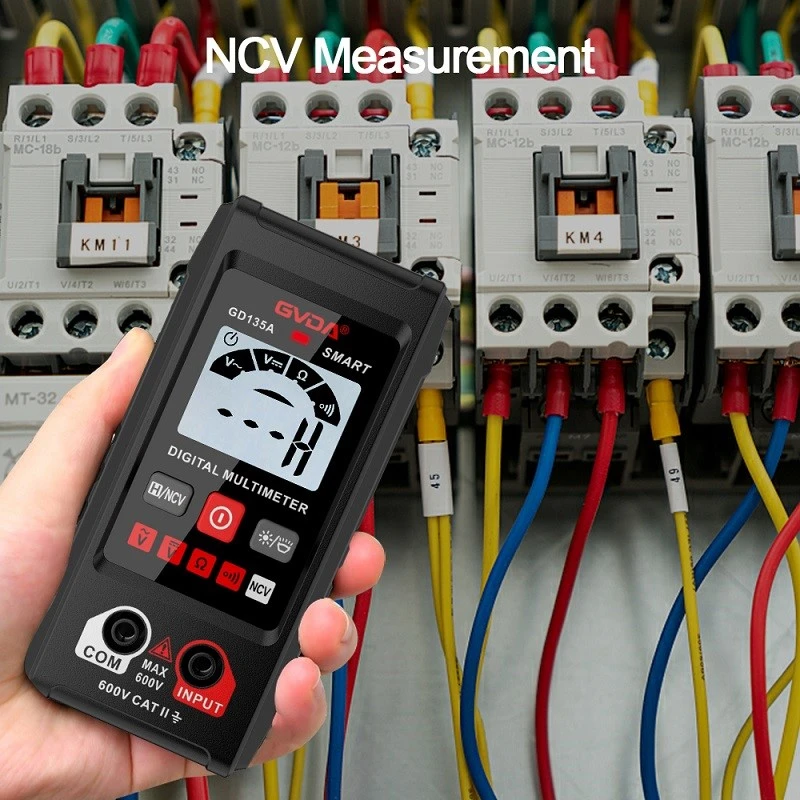
A digital multimeter is a multi-purpose electronic measuring instrument. It generally integrates the functions of an ammeter, voltmeter, ohmmeter, etc. It is also sometimes referred to as a multimeter, multi-tester or volt-ohm-milliammeter (VOM). What common faults may occur when using a digital multimeter? What precautions should be taken during operation?
① Incorrect measurement gear selection may damage internal components and further render the digital multimeter defective. Therefore, select the correct measurement gear before use.
② Improper range selection can damage the digital multimeter. This risk is prominent when measuring current and voltage; an unsuitable range may easily cause circuit faults. Always select an appropriate range during measurement.
③ The maximum measurable voltage of the digital multimeter defines its high-voltage limit, which is generally 1000 V or lower. If the voltage exceeds the measuring range, use a voltage-dropping resistor for the measurement.
④ When measuring high current and high voltage, ensure good contact between the test probes and the measurement point to avoid errors, blank readings and damage to the multimeter. ⑤ Resistance measurement must be performed on de-energized circuits. Never measure resistance on live circuits.