How to Calibrate a Multimeter and How a Multimeter Works
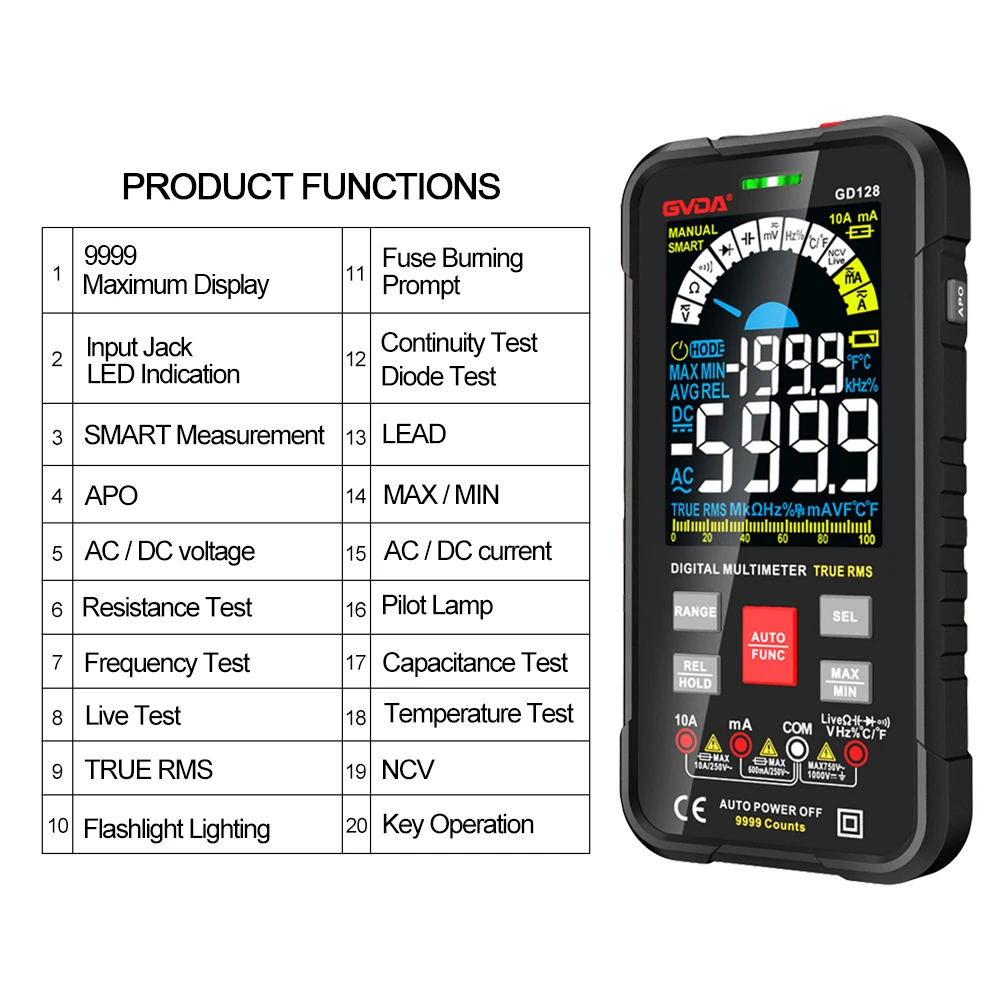
Like other measuring instruments, multimeters are calibrated by the manufacturer before delivery. Do not calibrate them arbitrarily unless obvious faults are present. For a multimeter, its meter head is essentially a voltmeter. Therefore, when calibrating its various ranges, the DC voltage range must be calibrated first. Once this range is accurate, nearly all other ranges and functions (except the resistance range) can be calibrated. A multimeter may be equipped with one potentiometer (such as for the DC voltage range), multiple potentiometers (such as for temperature ranges), or no potentiometer at all (such as resistance ranges). For models with potentiometers, input the calibration signal and adjust the potentiometer directly. Ranges without potentiometers are generally not prone to deviation. If deviation does occur, it is likely caused by instrument damage or poor contact in the circuit.
The DC resistance of the starting winding of a single‑phase motor is generally higher than that of the running winding. A simple identification method is as follows:
① Use a multimeter to separately measure the DC resistance between the common terminal and the running winding, and between the common terminal and the starting winding.
② Then use the multimeter to measure the DC resistance between the running winding terminal and the starting winding terminal.
③ If the sum of the two readings obtained in Step 1 is not equal to the reading obtained in Step 2, the motor winding is definitely burned out. If the values are equal, compare them with those of an identical motor model or the manufacturer's original parameters to judge whether the motor is in good condition.