Illuminometer and Human Health
Illumination is closely related to people's lives. Adequate lighting can prevent people from accidents. On the contrary, too dark light can cause fatigue in the human body far beyond the eyes themselves. Therefore, uncomfortable or poor lighting conditions are one of the main causes of accidents and fatigue. Existing statistical data shows that about 30% of all occupational accidents are directly or indirectly caused by insufficient lighting. The lighting requirements for sports venues are very strict, and excessive or dim lighting can affect the effectiveness of the competition.
So, what are the hygiene requirements for indoor lighting in people's homes? Illuminance is a very important indicator in hygiene. Light refers to electromagnetic radiation that can cause a sense of brightness in the human eye. The perception that can be generated when light enters the eye is called vision. The light that people see refers to visible light, with a wavelength range between 380 and 760nm (nanometers).
Currently, lighting can be divided into two categories: natural lighting and artificial light sources. Natural lighting refers to the natural illuminance of indoor and regional areas, with direct sunlight scattering and reflected light from surrounding objects. It is commonly represented by lighting coefficient and natural illuminance. The lighting coefficient refers to the ratio of the effective area of the lighting opening to the indoor floor area. The lighting coefficient of general residential buildings is between 1/5-1/15, and the living area ratio is between 1/8-1/10 (window area/indoor floor area). The natural illuminance coefficient is used to evaluate the illuminance level of natural light. It reflects the relationship between indoor and outdoor light exposure. It also reflects the local light climate (the sum of natural light energy and sunlight intensity indicators of the climate).
In order to ensure that people live in suitable lighting, China has formulated hygiene standards for indoor (including public places) illumination. For example, in public places, the hygiene standard for lighting in shopping malls (stores) is ≥ 100Lx; The hygiene standard for the illumination of countertops in libraries, museums, art galleries, and exhibition halls is ≥ 100Lx; The hygiene standard for illumination in public bathrooms is ≥ 50Lx; Bathrooms (shower, pool, tub) ≥ 30Lx, sauna bathrooms ≥ 30Lx. Foreign standards for indoor lighting, such as Germany's recommended several rated light intensities, offices including clerical work areas at 300Lx, typing, and drawing work at 750Lx; In the factory, the illumination requirement for visual work on the production line is 1000Lx; 200Lx for hotels and public rooms; Reception points and cashier cabinets are 200Lx; The display window of the store is 1500-2000Lx; The hospital ward is 150-200Lx, and the emergency area is 500Lx; 400-700Lx for schools and classrooms; The cafeteria and indoor gym are 300Lx, etc.
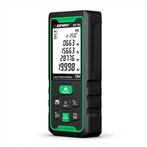
For the measurement method of illuminance, an illuminometer is generally used for measurement. The illuminometer can measure the intensity of different wavelengths (such as in the visible and ultraviolet bands), providing accurate measurement results to people.
In short, illumination has extremely important hygiene significance for human health, especially for eye health.