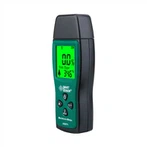
Measuring AC and DC currents with a multimeter
1. Before measuring the current, first determine the nature of the current (AC and DC) and the range of current magnitude.
2. Choose appropriate measurement tools (such as safety, accuracy, and ease of use during on-site measurements) and measurement gears. After selecting the appropriate measurement tool, if you are not a professional technician but just an interested enthusiast, it is recommended to read the instructions for use.
3. General operating steps
1) If it is a small electrical device (such as an electronic device), you can read the relevant description of the product's electrical power in the product manual. This section sometimes directly indicates the range of current that the electrical device passes through during operation in the manual.
If the instruction manual only indicates the power and voltage used, the current can be calculated using the formula "A=W/V". When it is necessary to test the total current of multiple devices in operation, the current of a single device is added to calculate the total current on the main line.
Actual measurement:
(1) Select the appropriate gear (measuring current, current value range)
(2) Disconnect the tested line (but the electrical equipment and load cannot be disconnected, otherwise it is a short circuit!), and insert the multimeter into the line (note that it is connected in series). At this time, the resistance of the multimeter is almost zero, and the current flowing through the multimeter is equal to the current flowing through the electrical equipment and load.
2) If it is a large electrical equipment (the working voltage is generally 220V to 380V), it is recommended to use clamp Ammeter (multimeter).
Principle: A closed electromagnetic field is formed on the energized circuit, and changes in the electromagnetic field cause the multimeter to generate current. There is a proportional relationship between this current and the measured line current, so that the line current can be read directly from the Ammeter.
Operating procedures
1. Before use, one should be familiar with the various functions of the multimeter, and correctly select the gear, range, and probe socket based on the measured object.
2. When the size of the measured data is unknown, the range switch should be set to the maximum value first, and then switched from a large range to a small range, so that the instrument pointer indicates more than half of the full scale.
3. When measuring resistance, after selecting the appropriate magnification range, touch the two probes to make the pointer point at the zero position. If the pointer deviates from the zero position, the "zero adjustment" knob should be adjusted to reset the pointer to zero to ensure accurate measurement results. If zero adjustment is not possible or the digital display meter emits a low voltage alarm, it should be checked in a timely manner.
4. When measuring the resistance of a certain circuit, the power supply of the tested circuit must be cut off and live measurement is not allowed. From: Home of Electrical Technology
5. When using a multimeter for measurement, attention should be paid to the safety of personnel and instrument equipment. During the test, it is not allowed to touch the metal part of the probe with hands, and it is not allowed to switch gears with electricity to ensure accurate measurement and avoid accidents such as electric shock and burning of the instrument.