Pulp testing properties and testing methods
Testing Properties
Testing the properties of pulp can include the following:
1. Fibre length and width: The length and width of fibres in the pulp have a great influence on the quality and performance of the paper and therefore need to be tested. Fibre length and width can generally be measured by optical microscope or electron microscope.
2. Fibre strength: The fibre strength in pulp is a key factor affecting the strength and toughness of paper. Measurement of fibre strength can be carried out by equipment such as fibre tensile testers.
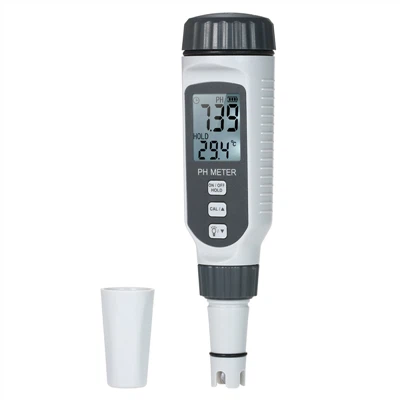
3. Contaminant content: Pulp may contain a variety of contaminants, such as wood particles, chemical residues, etc., which need to be tested. Common test methods for contaminant content include combustible substance content, chloride ion content, iron ion content, PH value, etc.
4. Moisture content: The moisture content of pulp has a great influence on the strength and performance of paper, so it needs to be tested. Moisture content can be measured by heating and weighing.
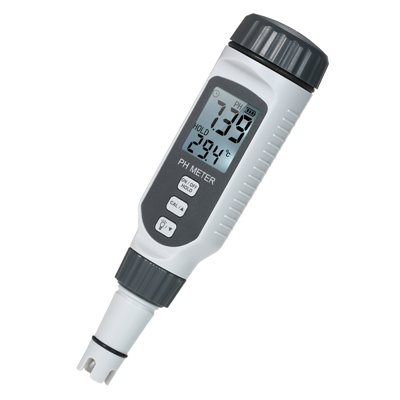
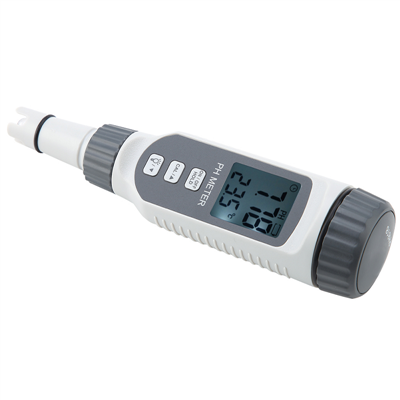
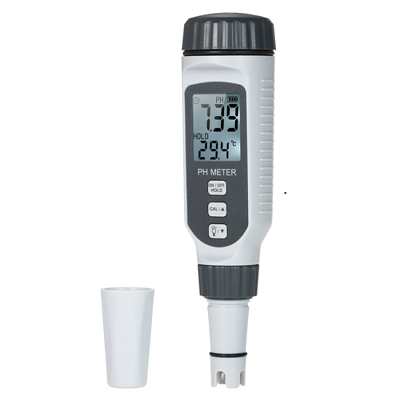
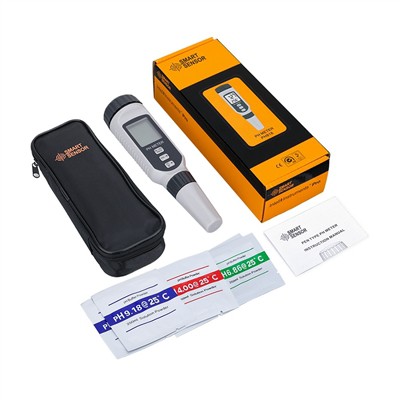
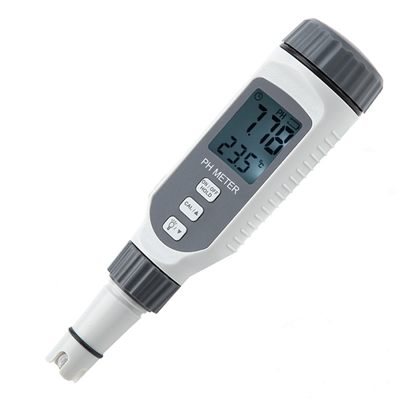
5. Viscosity and pH: The viscosity and pH of the pulp are also important factors affecting the quality and properties of the paper. Measurements of viscosity and pH can be carried out by means of appropriate test instruments.
6. Fibre distribution: The distribution of fibres in the pulp also affects the quality and properties of the final paper. Measurement of fibre distribution can be carried out using equipment such as microscopes and image analysers.
Testing Methods
Specific pulp property testing methods include the following:
1. Fibre length and width measurement: Use a microscope or electron microscope to measure the length and width of fibres. The fibres are observed under a microscope and the length and width of the fibres are measured using a pixel analyser or other software.
2. Fibre strength testing: The strength of fibres is measured using equipment such as a fibre tensile tester. Fibre samples are fixed on the tensile tester and tensile tests are performed to measure indicators such as maximum tensile force and elongation at break.
3. Pollutant content test: Use chemical analysis instruments to measure the pollutant content in pulp, such as combustible substance content, chloride ion content, iron ion content, PH value and so on.
4. Moisture content test: Use the heating and weighing method to measure the moisture content in pulp. A pulp sample is heated to a certain temperature and then weighed to calculate the moisture content.
5. Viscosity and pH testing: Equipment such as viscometers and pH meters are used to measure the viscosity and pH of the pulp.
6. Fibre distribution test: Use equipment such as microscopes and image analysers to measure the distribution of fibres in the pulp. The distribution of fibres in the pulp is observed and the image is analysed using the appropriate software.