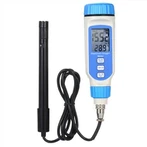
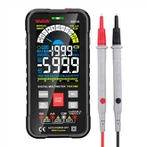
Three factors that affect moisture meter readings
1: Type of material being measured
One of the biggest factors that can change the results of a moisture meter reading is the type of material being tested. If your moisture meter is not calibrated for the material you are testing, it will not return accurate results without some sort of reading adjustment.
Why? Because different materials, and even similar materials such as two different types of wood, have different physical properties. These physical properties affect the results of pin and pinless moisture meter readings in different ways and require adjustment of the readings.
This is one of the reasons why many contractors use moisture meter units with a special feature called built-in species correction. With a hygrometer that has this feature, you can programme specific types of materials before you start taking measurements, and then get accurate results.
2: Temperature of the material
If you're using a needle hygrometer, the temperature of the material can affect the accuracy of the reading.
Why?
Pin meters work on the principle of resistance, passing a small current between two pins and measuring the resistance to the current. Drier objects have a greater resistance, resulting in a lower % MC reading, while wetter objects have less resistance, resulting in a higher % MC reading.
However, wood temperature affects moisture readings in a similar manner to moisture content. When wood is heated, the wood fibres "relax", making it easier for electricity to pass through (low resistance). This can artificially increase the %MC reading given by the hygrometer. The reverse is also true, meaning that low temperatures can lead to false low moisture readings.
Needleless meters, on the other hand, are only minimally affected by the temperature of the object being scanned because they do not use resistance to get a reading. Therefore, unless the wood being scanned is a frozen solid, temperature should not affect the reading.
3: Condition of the Moisture Meter
Another common factor that can reduce the accuracy of moisture content readings is the condition of the material the moisture meter is used to test.
Damaged or broken pins, scanning boards, or damaged electronics can cause a reading to fail. Low battery levels can also affect the accuracy of readings.
That's why it's important to check your moisture meter regularly for signs of damage, such as missing or broken pins, scratches on the scanning plate of a pinless meter or damage to the meter housing.
If your meter has one, you can verify the electrical calibration of the meter using its built-in calibration check feature. Or test the calibration using a separate Moisture Content Standard (MCS) tool.
By checking the accuracy of your meter before you begin work, you can ensure great results for moisture content readings.