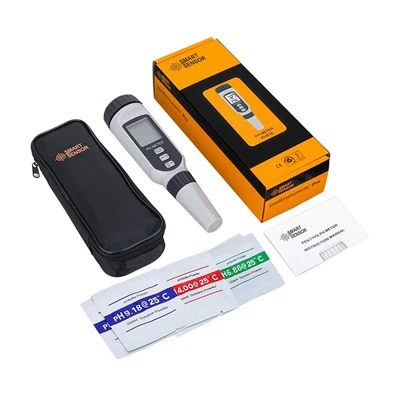
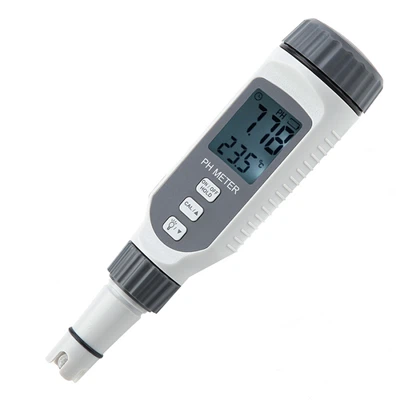
The importance of gas detector!
The importance of gas detector, which is used to detect the change of harmful gas concentration in the job site. In the process of production, factories not only need pure industrial gas as raw materials, but also produce a variety of highly pure derived gases, which are often harmful to some extent. Therefore, it is necessary to have various gas detection instruments with high sensitivity, high accuracy and high selectivity for monitoring, so as to prevent industrial gas raw materials from leaking or derived gases from exceeding the standard, and monitor them at all times to reduce hidden dangers.
Gas detection plays a very important role in the production of industrial enterprises, which is the key to prevent accidents and ensure the smooth production safety of enterprises, and is the guarantee for the safety of production personnel and surrounding people. Many accidents are often caused by inadequate supervision of gas, which can be avoided, but eventually become accidents, which is really heartbreaking. And we also hope that the majority of production enterprises can take this as a warning and improve the supervision of gas detection.
The detector measures the air. Once the test is passed, the detector will enter a state of continuous monitoring, and the airflow will reach the sensor through the panel grid, and the sensor will respond to the measured gas concentration. The diffusion type only monitors the gas that instantly surrounds the detector, and the pumping type can carry out remote measurement through the sampling tube. If harmful gas is found, the detector will alarm itself.
When detecting toxic gas, we need to use the toxic gas alarm. As we all know, the gas detector plays a vital role in the concentration detection of the whole gas alarm. The detector contains a gas sensor, which is also a very important component. When detecting toxic gases, electrochemical sensors are used, and the service life is generally about one and a half to two years.
The electrochemical sensor works by reacting with the measured gas and generating an electrical signal proportional to the gas concentration. A typical electrochemical sensor consists of a sensing electrode (or working electrode) and a counter electrode separated by a thin electrolytic layer.
Usually, each sensor corresponds to a specific detection gas, but any gas detector is not absolutely effective. Therefore, when choosing a gas sensor, we should be aware of the detection interference of other gases to ensure its accuracy in detecting specific gases.
Each gas detector has its fixed gas concentration measurement range, and only when the measurement is completed within its measurement range can its accurate measurement be guaranteed. However, it is easy to cause permanent damage to the sensor when it is measured beyond the measurement range for a long time.