Troubleshooting Guide: Common Causes of Incorrect Readings from Moisture Meters
The main purpose of using a moisture meter is to gather accurate and precise information. If things start to go wrong, it can lead to serious problems when you rely on getting reliable and immediate results.
Moisture meters are durable. They are durable enough to last for years in the field. If you are struggling to get accurate readings with a moisture meter, don't worry. Moisture meters are carefully designed to work properly. There are a few things you can check to make sure you get a good measurement reading.
Check your calibration
Is the moisture meter set to the correct calibration? Especially if you are reading a variety of materials, you need to make sure that you have calibrated the moisture meter for the measurements you need to take. There are a number of calibrations that come pre-installed with every moisture meter, but it is important to ensure that you select the correct one.
Improper calibration can seriously affect your readings. Even using a grain moisture meter with the wrong grain calibration, such as barley instead of corn for example, will give you inaccurate readings.
Check to make sure you have the correct calibration settings and are working with the correct meter. For example, a cement moisture meter will not give you the correct reading for paper or wood.
Correct storage
Have you stored the moisture meter correctly after use? And wipe it with a dry cloth after each use to remove excess moisture, which can lead to rust. Storing and drying your moisture meter correctly will extend the life of your meter and give you great results time and time again.
Although the meter is durable and will last for years in the field, accidents can still happen. Storing your moisture meter can prevent problems caused by water, or prevent the meter from being damaged by dropping or crushing it. If you think the meter has been damaged in some way, please let us know! We want to make sure you have the accurate meter on the market.
Damaged pins
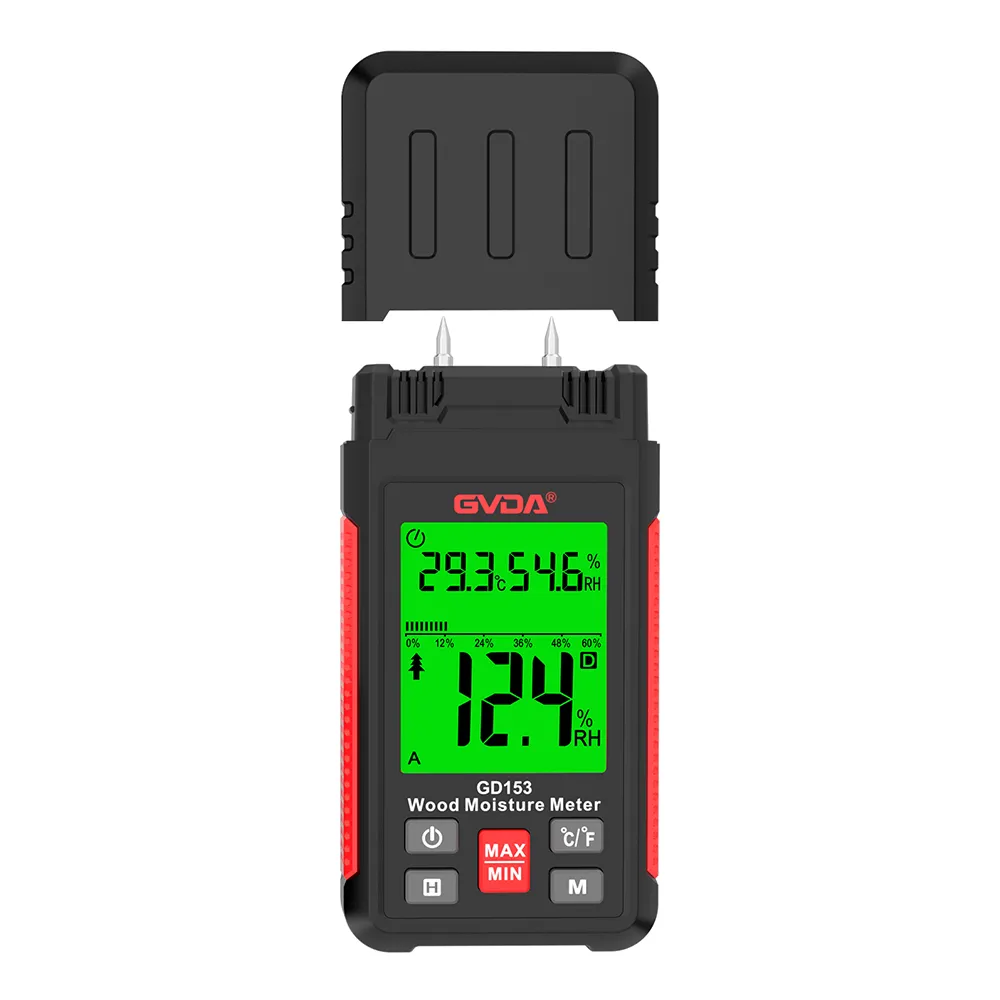
Are the pins of the meter intact? The pins of a Universal Moisture Meter will eventually rust or potentially become damaged if they are exposed to components. While making the meter durable, sometimes your meter may need new pins to get accurate readings. Check your meter, especially the pins, for impact damage, rust, or other problems that could interfere with the contact between the meter and the sample.
Use the right sample
Test in several areas to make sure you have an idea of the variations across the product, especially if you're dealing with a large amount of product. For example, if you are checking that a large pile of good woodworking products has adapted to its indoor environment, you will need to check several areas on several pieces of wood.
If you're taking grain and seed readings, you'll need to make sure they've cooled down after the drying process. Take readings from multiple locations throughout the batch. Waiting for concrete slabs to dry or cure? Check in multiple locations.