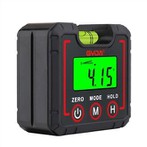
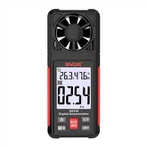
What are the advantages of a cladding thickness gauge over a coating thickness gauge?
Cladding thickness gauge is a newly developed new product, compared with the previous coating thickness gauge has the following main advantages:
1. fast measuring speed: measuring speed than other TT series 6 times faster;
2. high accuracy: the product is simple after the school 0 accuracy can reach 1-2% is currently on the market to achieve A-level products, its accuracy is much higher than the times and other similar domestic. Its accuracy is much higher than that of similar products in China, such as the era, and its accuracy is also higher than that of imported products, such as EPK;
3. Stability: the stability of the measured value and the stability of use is better than imported products;
4. function, data, operation, display all in Chinese;
The material surface protection, decoration of the formation of the cover layer, such as coatings, plating, dressing layer, paste layer, chemical generation of film, etc., in the relevant countries and international standards called cladding (coating). Cladding thickness measurement has become an important part of the processing industry, surface engineering quality testing, is a product to achieve superior quality standards of the necessary means. In order to make the product internationalisation, China's export commodities and foreign-related projects, the cladding thickness has a clear requirement.
Measurement methods of cladding thickness mainly include: wedge cut method, light cut-off method, electrolysis method, thickness difference measurement method, weighing method, X-ray fluorescence method, β-ray backscattering method, capacitance method, magnetic measurement method and eddy current measurement method. The first five of these methods are lossy, cumbersome and slow measurement means, mostly applicable to sampling inspection.
X-ray and β-ray methods are non-contact non-destructive measurements, but the devices are complex and expensive, and the measurement range is small. Because of the radioactive source, the user must comply with the radiation protection norms. x-ray method can measure very thin plating, double plating, alloy plating. β-ray method is suitable for plating and substrate atomic number greater than 3 plating measurement. The capacitance method is only used for thickness measurements of thin conductive insulating claddings.