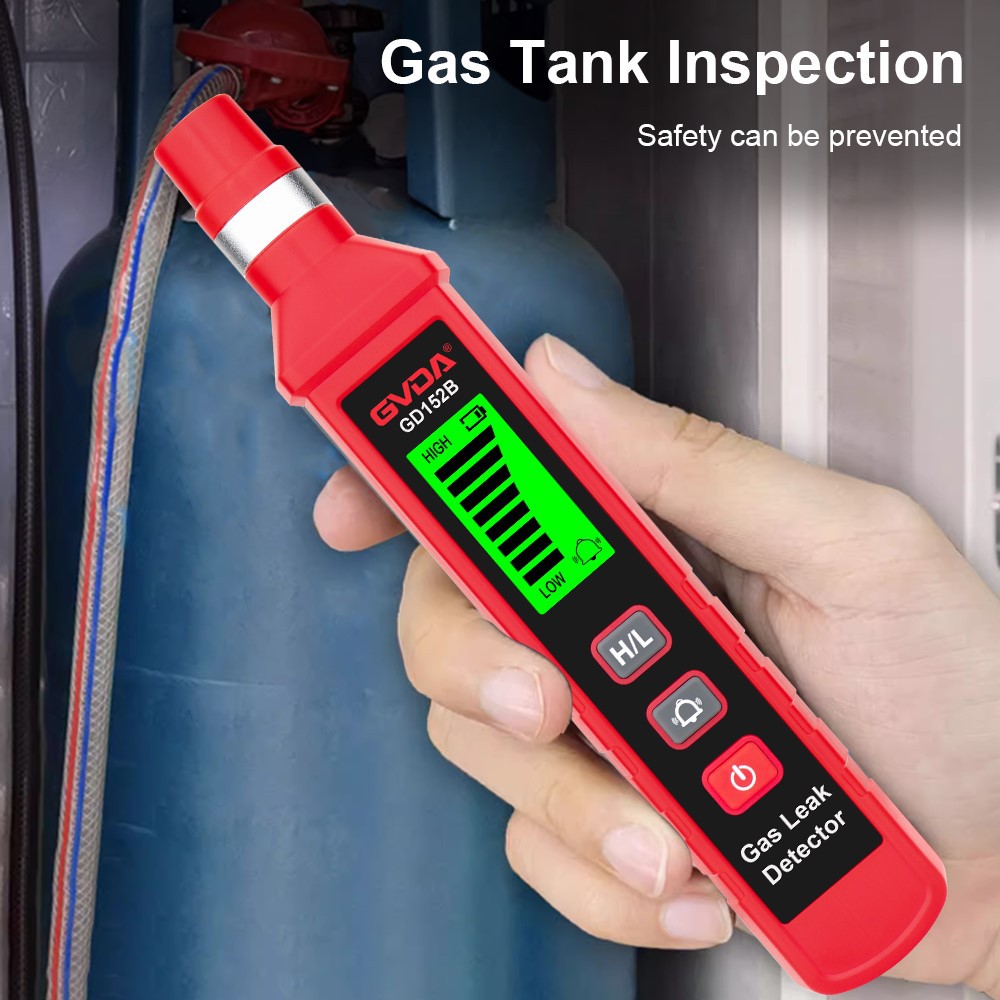
What are the features of portable combustible gas detectors?
1. Under normal monitoring conditions of low-power equipment, the working time is ≥ 8 hours.
2. LCD display adopts LCD display, which can intuitively display the gas concentration on site.
3. The digital module design adopts high-speed CPU processing, automatic fault recognition, automatic alarm, and high concentration over limit automatic protection.
4. The accurate measurement sensor adopts imported gas sensitive components, which have the characteristics of high accuracy, high reliability, good gas selectivity, and strong anti-interference ability.
5. The battery has a long working life and adopts high-performance rechargeable lithium batteries with charging protection and low-voltage protection functions. Ensure reliable battery usage and long lifespan.
When it comes to the specific application of combustible gas detectors, they are calibrated according to the gas to be detected in the site, and are detectors that respond to the concentration of single or multiple combustible gases. Any place where flammable and explosive gases exist requires the use of a combustible gas detector. Precautions for the installation of combustible gas detectors:
1. Wiring should be done in the event of a power outage, and after confirming the correct wiring, power should be turned on; Remote control should be used to debug the probe once it is confirmed that there are no combustible gas leaks on site.
2. The installation location should be within a radius of 1 meter around valves, pipeline interfaces, air outlets, or areas prone to leakage, as close as possible without affecting the operation of other equipment.
3. When used for large-scale gas detection, a probe of 20-50 square meters can be arranged to achieve safety monitoring.
4. Installation height: When detecting gases lighter than air such as hydrogen, natural gas, and city gas, they should be installed about 1 meter above the roof; When detecting gases heavier than air such as liquefied petroleum gas, they should be installed about 1.5-2 meters below the ground.
5. The installation method can be roof mounted, wall mounted, or connected to pipelines, etc. It should be ensured that the installation is firm and reliable. We have equipped an infrared remote control for easy debugging and operation.
6. On site wiring should be carried out through pipes that meet fire safety requirements. The pipes should be connected to probes to meet fire safety requirements.
7. The sensor should be fixed facing downwards during installation.
8. Shielded cables should be used for wiring, with a single wire diameter greater than 1 square millimeter. The shielding layer must be grounded during wiring.