What is the structure of a pH meter?
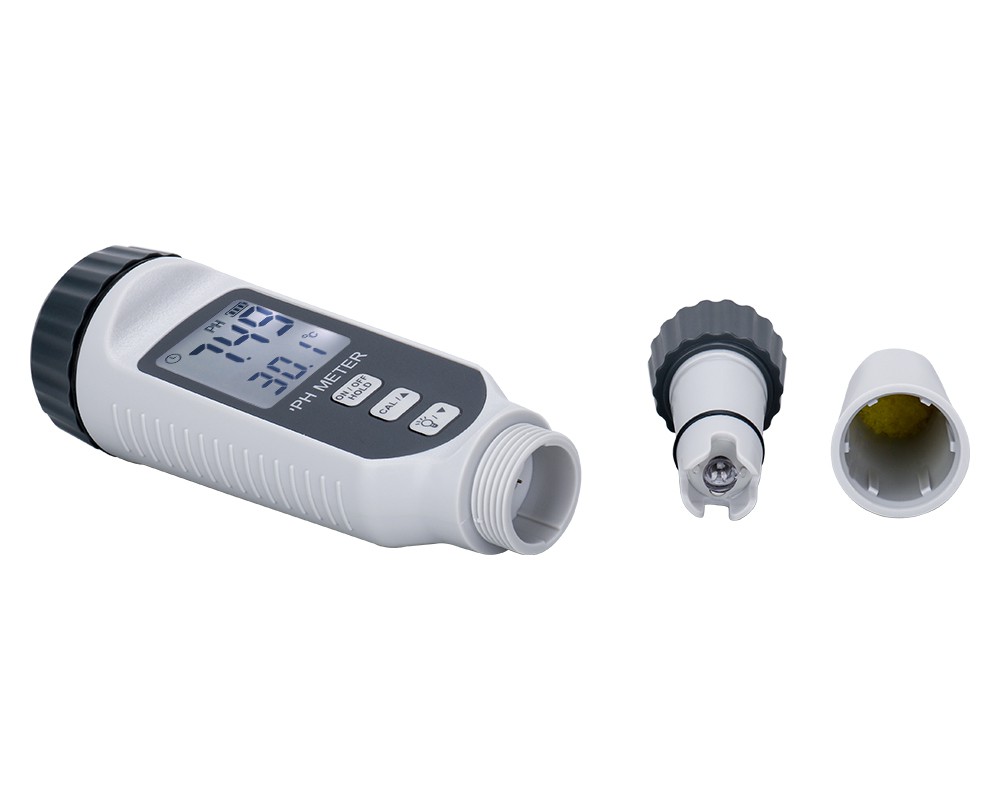
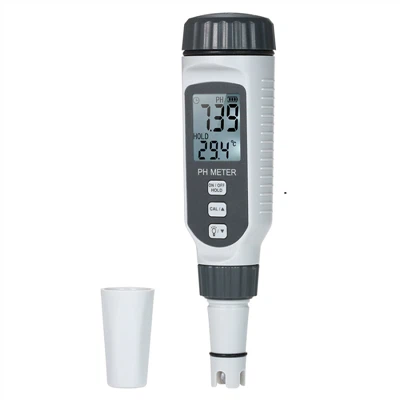
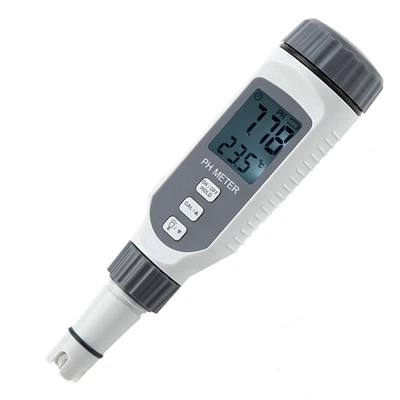
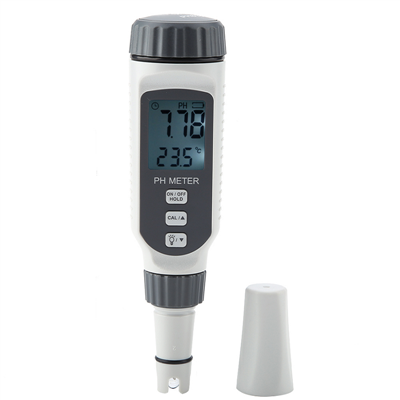
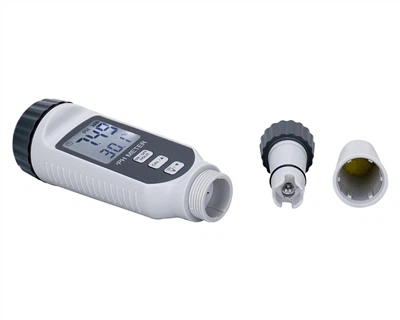
PH meter, also known as acidity meter, is mainly composed of three parts. PH acidity meter is a commonly used instrument and equipment. With the rapid development of the national economy, the application scope and technology of pH acidity meters are constantly improving, and there are many varieties of pH meters. Various acidity meters are used to accurately measure the acidity and alkalinity values of liquid media, such as in industrial production and processing, food testing, and other fields; A pH meter paired with a corresponding ion selective electrode can also measure the MV value of the ion electrode potential. Using a pH meter and an acidity meter for potential measurement is the most precise method for measuring pH. For first-time users of pH meters, it is necessary to have a basic understanding of them. What are the three main structural components of pH meters?
1. A reference electrode;
2. A glass electrode whose potential depends on the pH of the surrounding solution;
3. A current meter that can measure small potential differences in circuits with high resistance.
The following are separate explanations of the main functions of each component:
1. The basic function of a reference electrode is to maintain a constant potential as a control for measuring various deviation potentials. The silver silver oxide electrode is currently the most commonly used reference electrode for pH.
2. The function of a glass electrode is to establish a potential difference that reacts to changes in the hydrogen ion activity of the measured solution. By placing the pH sensitive electrode and the reference electrode in the same solution, a primary cell is formed, whose potential is the algebraic sum of the potentials of the glass electrode and the reference electrode. E-battery=E-reference+E-glass. If the temperature is constant, the potential of this battery changes with the pH of the solution to be measured. However, measuring the potential generated by the battery in a pH meter is difficult because its electromotive force is very small and the impedance of the circuit is very large, ranging from 1-100M Ω. Therefore, the signal must be amplified enough to drive a standard millivoltmeter or milliammeter.
3. The function of an ammeter is to amplify the potential of the primary battery several times, and the amplified signal is displayed through the ammeter. The degree of deflection of the ammeter pointer indicates the strength of the signal it pushes. For practical use, the pH ammeter dial is engraved with the corresponding pH value; The digital pH meter directly displays the pH value in numbers.