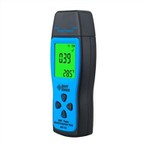
What mistakes are prone to occur in the use of gas detectors?
A gas detector is a device equipped with a high-sensitivity sensor, which can keenly sense a small amount of harmful gases and combustible gases that are ubiquitous in the air. It is a type of equipment that needs to be assembled in various fields of industrial production. High-quality gas detectors have a very large scale of use in the current market. However, when users use gas detectors, they sometimes have the following misunderstandings:
1. The gas detector can detect any gas
A detector can only detect one specific gas. Composite gas detectors can only detect several gases at the same time.
2. The gas detector can be installed at will
The installation location of the gas detector is strictly required. The installation position is incorrect and cannot be detected normally.
3. Test with high concentration gas during acceptance
Some customers use high concentration gas for testing during the acceptance process. This approach is very loose and can easily damage the instrument. The detection range of the combustible gas detector is 0~100%LEL, and the gas with a concentration higher than this range is likely to fumigate the sensor, causing sensor damage or detection failure!
4. As long as there is flammable gas or toxic gas around the gas detector, the alarm should send out an alarm
The condition of the gas detection alarm alarm is that only when the measured gas concentration reaches or exceeds the preset value of the instrument, the alarm signal will be sent.
5. The damage to the explosion-proof facilities of the gas detector itself will not affect the use
During use, if there are phenomena such as damage to the explosion-proof seal of the alarm, loosening, rupture of the explosion-proof pipe, etc., it must be repaired in time.
6. The gas detector does not require maintenance and maintenance
A gas detector is a measuring instrument that needs to be calibrated regularly to ensure the accuracy of its detection. Gas detectors that have been used for a long time will drift. If they are not calibrated in time, the error will become larger and larger, causing potential safety hazards.
According to regulations, the longest calibration cycle of gas detectors should not exceed one year, and it is recommended that enterprises with special measurement departments should not exceed three months. Calibration of gas detectors should be performed by professionals.