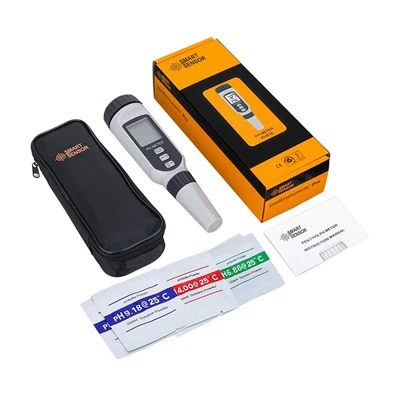
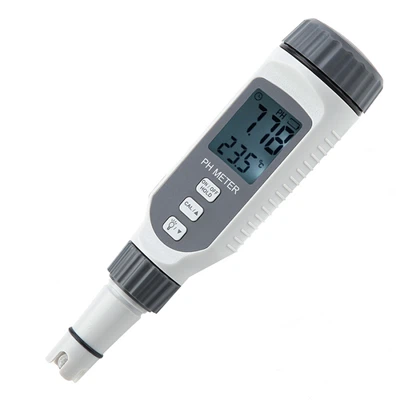
Will be able to tell the difference between different anemometers
Field anemometers are mainly used to measure flow velocity according to the principle of differential pressure, impeller type and hot ball type.
Differential pressure is the classic method of measuring flow velocity in fluid mechanics, mainly relying on the Pitot tube and differential pressure gauge to measure the dynamic pressure, and then calculate the flow velocity according to the Burdock's equation. The advantage of this method is low detection limit, high sensitivity, but the flow field uniformity requirements are high, in the environment of the measurement is easy because of the uneven flow field and inaccurate, so the differential pressure method is mainly used in the air duct to measure the wind speed.
The main principle of the hot ball type is that the probe is set to a constant temperature, the air flow through the probe will take away the heat, then the probe will be heated to the set temperature, the process will be collected by the instrument electrical signals, and accordingly converted to wind speed. The advantages of this method are high sensitivity, large range, adaptable to environmental measurements, the disadvantage is that the platinum wire connected to the heat ball in the probe is relatively fragile, if not careful in the use of the probe is easy to cause damage, can not be repaired. At present, the domestic hot ball type anemometer is still the old anemometer, the air-conditioning institute of the Jian Research Institute has a more advanced alternative technology, the hot ball for ceramic thermal column, the strength is much better than the hot ball.
The impeller type mainly relies on the wind to blow the impeller rotation, generating electromagnetic signals to measure, the advantage of this method is that the instrument is more durable, commonly used in long-term measurements, meteorological observations used in the three-cup anemometer is the same principle, the disadvantage is that the sensitivity is slightly worse.
Anemometer belongs to safety protection, environmental monitoring category of measuring instruments, is China's measurement law mandatory verification of measuring instruments. Anemometer safety use requirements:
1. In use, if the anemometer emits abnormal smell, sound or smoke, or liquid flows into the inside of the anemometer, please turn off the machine and take out the battery immediately. Otherwise, there will be danger of electric shock, fire and damage to the anemometer.
2. Do not expose the probe and the body of the anemometer to rain. Otherwise, there is a risk of electric shock, fire and injury to persons.
3. Do not touch the sensor area inside the probe.
4.When the anemometer is not used for a long time, please remove the internal battery. Otherwise, the battery may leak and cause damage to the anemometer.
5. Do not place the anemometer in high temperature, high humidity, dusty and direct sunlight. Otherwise, it will lead to the damage of the internal devices or the performance of the anemometer will be deteriorated.
6. Do not wipe the anemometer with volatile liquid. Otherwise, it may lead to deformation and discolouration of the anemometer case. If the surface of the anemometer is stained, wipe it with soft fabric and neutral detergent.
7. Do not drop or weigh down the anemometer. Failure to do so will result in malfunction or damage to the anemometer.
8. Do not touch the sensor part of the probe while the anemometer is charged. Otherwise, it will affect the measurement results or cause damage to the internal circuit of the anemometer.